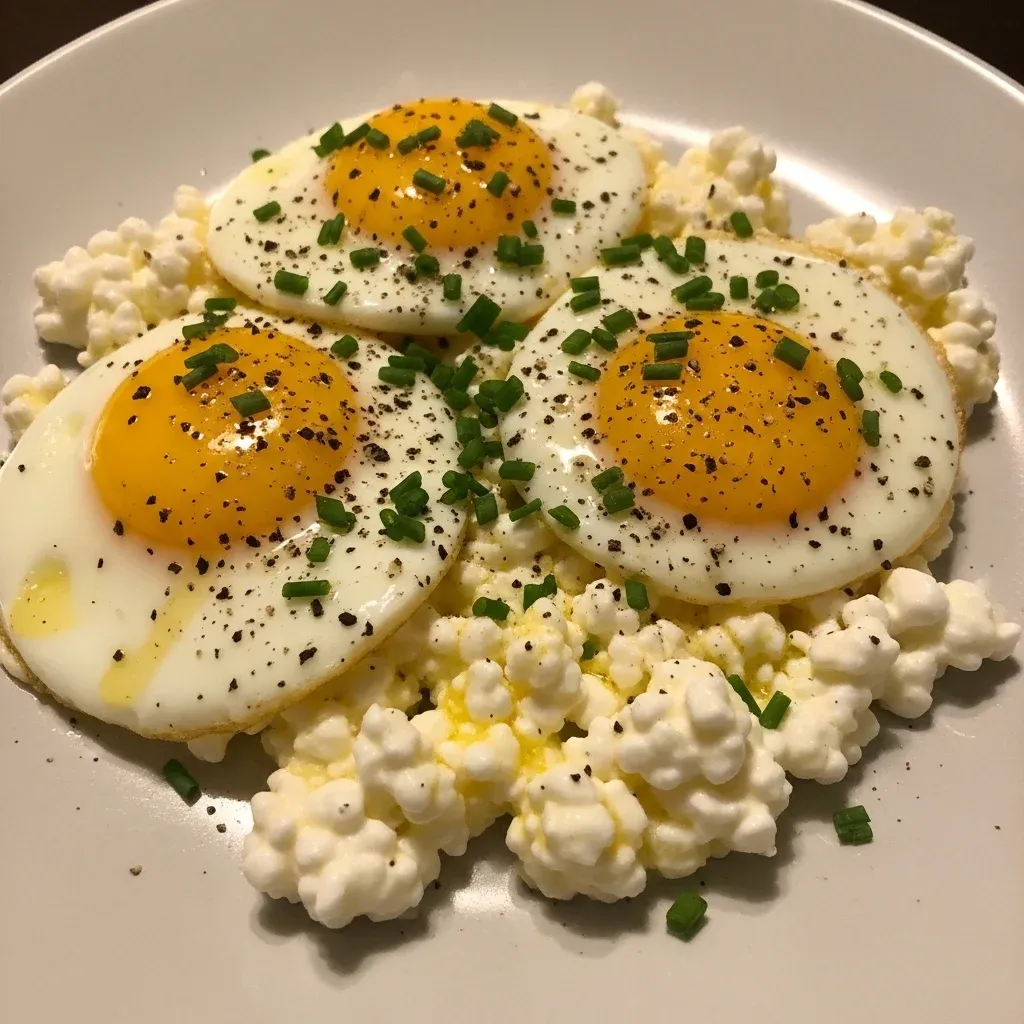
Cottage cheese baked


Every Saturday morning, my kitchen transforms into a cozy sanctuary filled with the scent of melting cheese and fresh herbs. My three children usually race down the stairs, lured by the promise of a warm breakfast. Years ago, I struggled to find a protein-rich meal that they actually enjoyed.
Then, I discovered the magic of a cottage cheese baked casserole. At first, the kids were skeptical about the texture of cottage cheese. However, once they tasted this cottage cheese baked delight, their minds changed instantly.
It turns out that when you combine simple ingredients and let them meld in the oven, something wonderful happens. This cottage cheese baked recipe quickly became a family staple in our household. I believe that food is the ultimate expression of love, and this dish embodies that philosophy perfectly.
It provides nourishment, comfort, and a sense of togetherness. Every time I pull a cottage cheese baked dish out of the oven, I know I am giving my family the best start to their day. Whether you serve it for breakfast, brunch, or even a light dinner, this cottage cheese baked meal never disappoints.
You will find that the edges get perfectly golden and crispy while the center remains incredibly tender. I love how the flavors develop as the cottage cheese baked mixture sets. It is a recipe that welcomes creativity and rewards patience.
If you are looking for a way to use that tub of cottage cheese in your fridge, look no further. This cottage cheese baked sensation will satisfy even the pickiest eaters in your home. Let’s dive into why this specific cottage cheese baked method works so well for busy families.
Why You’ll Love This Cottage Cheese Baked Recipe
There are countless reasons to fall in love with a cottage cheese baked meal. First and foremost, the protein content is impressive. As a mom, I always prioritize nutrition, and this cottage cheese baked dish delivers plenty of fuel for growing bodies.
Secondly, the texture is surprisingly elegant. People often worry about the “curds” in cottage cheese, but the cottage cheese baked process softens them into a custard-like consistency. You will also love how versatile this recipe is.
You can customize your cottage cheese baked creation with whatever vegetables or meats you have on hand. Furthermore, the preparation time is minimal. You spend less time hovering over a stove and more time enjoying your coffee while the cottage cheese baked tray does its thing in the oven.
It is also a fantastic option for meal prep. I often make a large cottage cheese baked pan on Sunday and reheat slices throughout the week. The flavors actually seem to deepen after a day in the refrigerator.
Finally, this cottage cheese baked recipe uses accessible, affordable ingredients. You don’t need fancy culinary skills to master a cottage cheese baked masterpiece. It is simple, honest, and incredibly delicious.
Your family will appreciate the effort, even though you know how easy it truly was to assemble. This cottage cheese baked dish truly represents the heart of home cooking.
Ingredients You’ll Need
To create the perfect cottage cheese baked dish, you only need a few high-quality staples from your pantry and fridge. I always recommend using full-fat cottage cheese for the best results, as it yields a richer flavor. However, low-fat options still work well if you prefer a lighter cottage cheese baked experience.
Fresh eggs act as the binder, ensuring your cottage cheese baked squares hold their shape beautifully. I also include a touch of flour or almond meal to provide structure to the cottage cheese baked base. Don’t forget the cheese!
A handful of shredded cheddar or mozzarella adds that irresistible gooey factor to the top of your cottage cheese baked casserole. Seasonings are crucial, so keep salt, pepper, and garlic powder ready. Finally, I love adding fresh spinach or sautéed onions to my cottage cheese baked mixtures for a pop of color and nutrition.
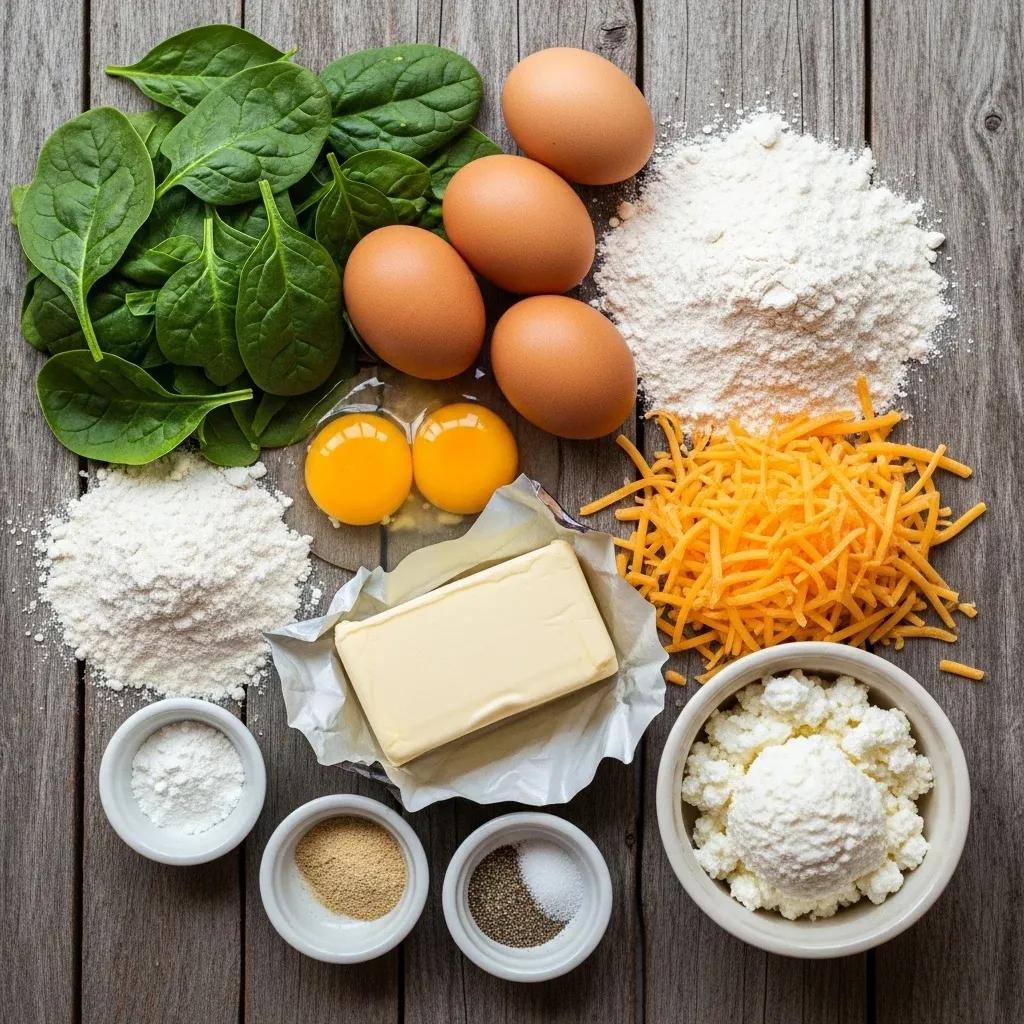
| Ingredient | Amount | Notes |
|---|---|---|
| Cottage Cheese | 2 cups | Full-fat or low-fat |
| Large Eggs | 4 units | Room temperature preferred |
| Shredded Cheddar | 1 cup | Sharp cheddar adds great flavor |
| All-Purpose Flour | 1/2 cup | Or almond flour for gluten-free |
| Baking Powder | 1 tsp | Helps with the rise |
| Fresh Spinach | 1 cup | Chopped finely |
| Garlic Powder | 1/2 tsp | For extra depth |
| Salt and Pepper | To taste | Don’t hold back on seasoning |
| Butter | 1 tbsp | For greasing the pan |
Substitutions & Variations
The beauty of a cottage cheese baked recipe lies in its adaptability. If you follow a gluten-free diet, simply swap the all-purpose flour for a 1:1 gluten-free blend or almond flour. The cottage cheese baked texture remains excellent either way.
For those who enjoy a bit of heat, try adding diced jalapeños or a dash of hot sauce into the cottage cheese baked batter. You can also experiment with different types of cheese. Pepper jack adds a spicy kick, while feta brings a salty, tangy profile to the cottage cheese baked dish.
If you want to add protein, stir in some cooked breakfast sausage or diced ham before you start the cottage cheese baked process. Vegetable lovers can go wild! Zucchini, mushrooms, and bell peppers all taste fantastic in a cottage cheese baked environment.
Just ensure you sauté watery vegetables first so your cottage cheese baked casserole doesn’t become soggy. For a Mediterranean twist, add sun-dried tomatoes and dried oregano to your cottage cheese baked ingredients. The possibilities are truly endless when you use this cottage cheese baked method as your foundation.
My kids even enjoy a “pizza” version where I top the cottage cheese baked squares with marinara and pepperoni. No matter what you choose, the cottage cheese baked base provides the perfect canvas for your culinary imagination.
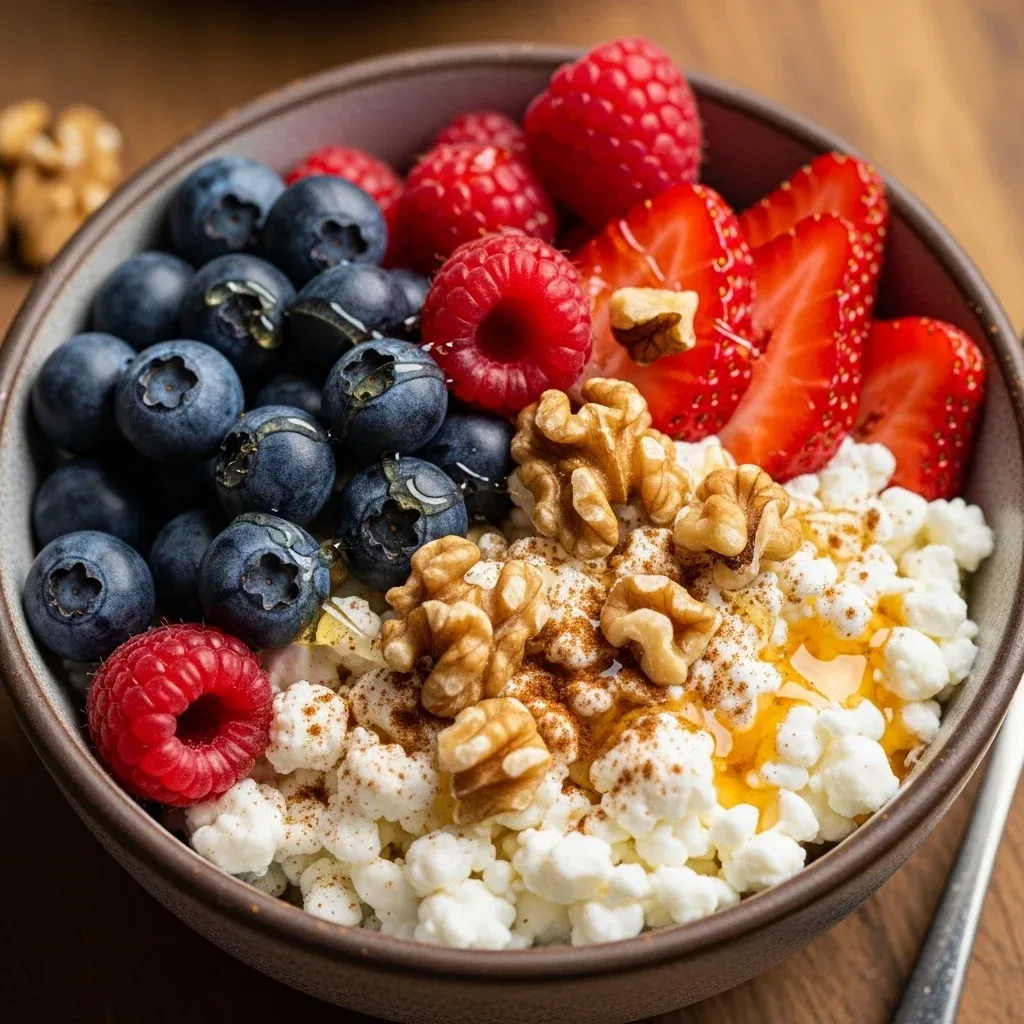
While this baked dish welcomes various savory tweaks, the beauty of cottage cheese truly lies in its incredible versatility for both sweet and savory meals. If you’re curious about a delightful, no-bake option that pairs well with fruits, discover the refreshing appeal of a Cottage cheese berry bowl.
Step-by-Step Instructions
Creating this cottage cheese baked dish is a straightforward process that anyone can master. First, preheat your oven to 375°F (190°C). While the oven warms up, grease a 9×9 inch baking dish with butter or non-stick spray.
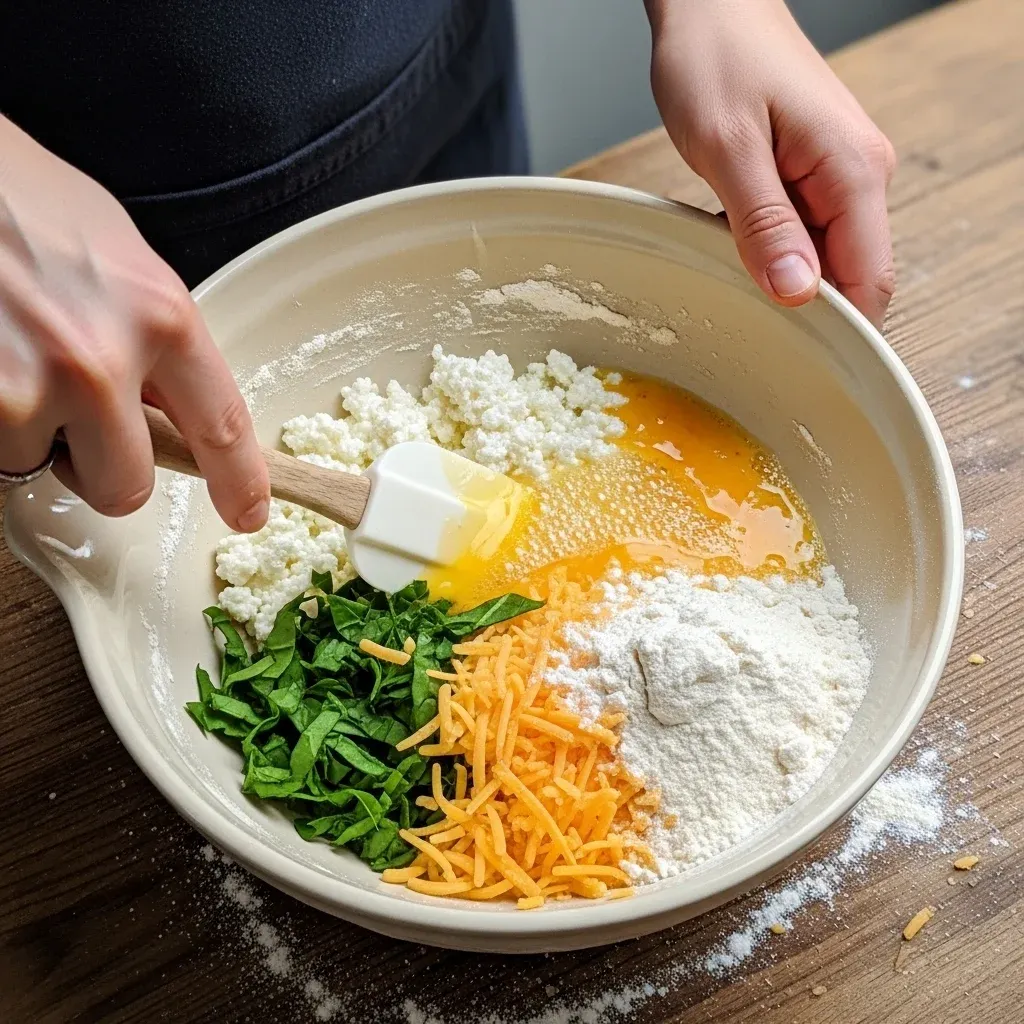
In a large mixing bowl, whisk the four eggs until they are frothy and well-combined. Next, fold in the two cups of cottage cheese. You will notice the curds, but don’t worry, as they will melt during the cottage cheese baked cycle.
Add the shredded cheddar and your choice of vegetables to the bowl. Now, sprinkle in the flour, baking powder, and seasonings. Stir everything gently until the cottage cheese baked mixture looks uniform.
Pour the batter into your prepared dish and smooth the top with a spatula. Place the pan in the center of the oven and let the cottage cheese baked magic happen for about 35 to 40 minutes. You are looking for a golden-brown top and a firm center.
If the cottage cheese baked edges pull away slightly from the sides, it is a good sign of doneness. Once finished, remove the dish from the oven. Let the cottage cheese baked casserole rest for at least five to ten minutes before slicing.
This resting period allows the proteins to set, making it much easier to serve clean squares of your cottage cheese baked masterpiece. Serving it too soon might result in a softer texture, though it will still taste incredible.
Note: This video is for demonstration purposes and may use a slightly different method.
Pro Tips for Success
To ensure your cottage cheese baked recipe turns out perfectly every time, follow these simple tips. First, always drain any excess liquid from your cottage cheese if it looks particularly watery. Too much moisture can prevent the cottage cheese baked dish from setting properly.
Second, use room temperature eggs. They incorporate more easily into the cottage cheese baked batter, leading to a lighter texture. If you want a smoother consistency, you can pulse the cottage cheese in a blender before mixing it with the eggs.
This creates a silky cottage cheese baked custard that mimics a quiche. Another tip is to avoid over-mixing the dry ingredients. Stir just until the flour disappears to keep your cottage cheese baked squares tender.
I also recommend placing the baking dish on a cookie sheet. This catches any potential drips and makes it easier to move the cottage cheese baked pan in and out of the oven. Finally, don’t skip the resting time.
I know the cottage cheese baked aroma is tempting, but five minutes of patience makes a world of difference in the final texture. If you want a crispier top, you can broil the cottage cheese baked dish for the last two minutes of cooking. Just watch it closely so the cheese doesn’t burn. Following these steps ensures a high-quality cottage cheese baked result every single time.
Mastering these techniques ensures your cottage cheese dishes, whether baked or otherwise, achieve their ideal consistency. For another amazing texture experience, especially if you love a light and airy feel, learn how to create the perfect Cottage cheese fluffy.
Storage & Reheating Tips
Leftover cottage cheese baked squares are a total lifesaver for busy mornings. To store them, let the cottage cheese baked casserole cool completely to room temperature. Place the slices in an airtight container and keep them in the refrigerator for up to four days.
If you want to keep your cottage cheese baked portions longer, you can freeze them. Wrap individual cottage cheese baked squares in plastic wrap and then place them in a freezer-safe bag. They will stay fresh for up to two months.
When you are ready to eat, reheating is simple. For the best texture, reheat a cottage cheese baked slice in the oven at 350°F until warmed through. This helps maintain the slightly crispy edges.
However, if you are in a rush, the microwave works too. Heat the cottage cheese baked piece on a microwave-safe plate for 45 to 60 seconds. Note that the microwave might make the cottage cheese baked texture a bit softer, but the flavor remains excellent.
I often pack a cottage cheese baked square in my husband’s lunchbox, and he enjoys it even at room temperature. This cottage cheese baked dish is truly the gift that keeps on giving throughout the week.
What to Serve With This Recipe
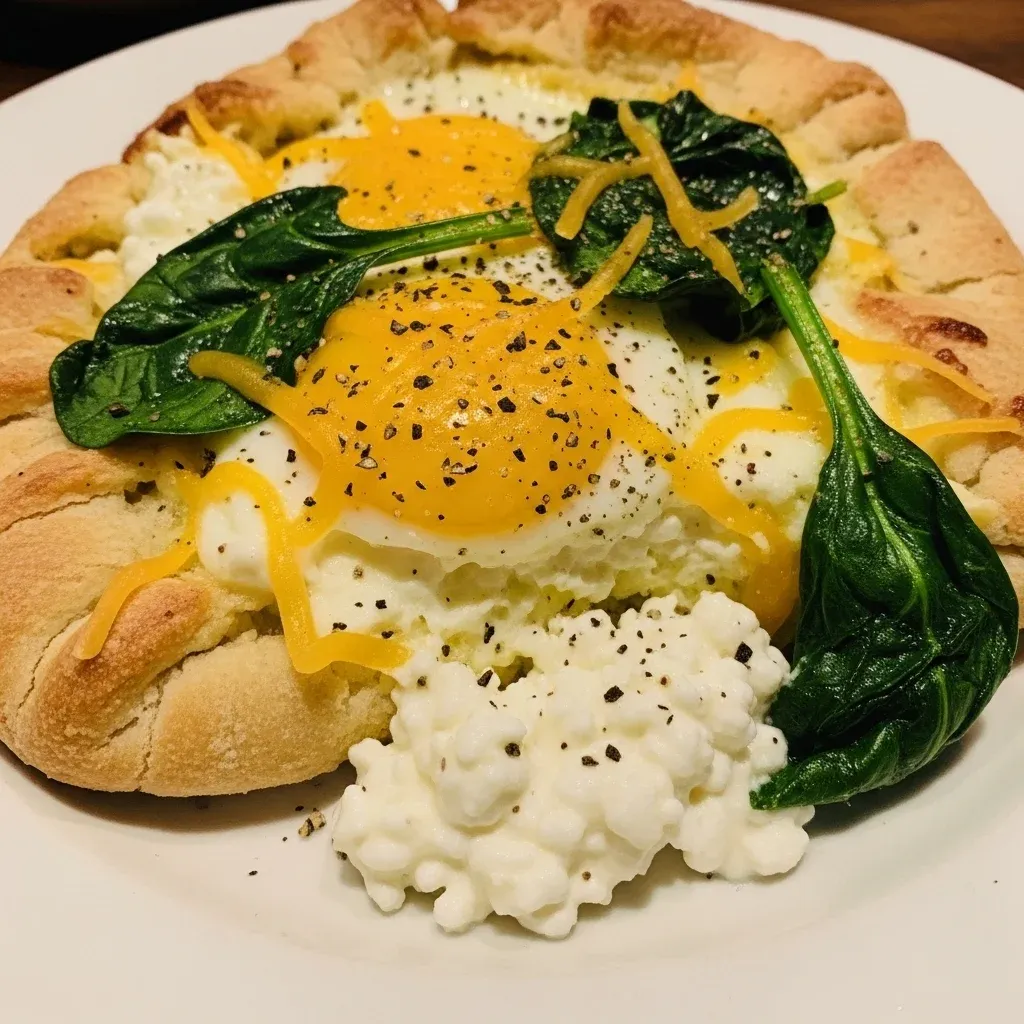
While this cottage cheese baked meal is quite filling on its own, adding a few sides can turn it into a full feast. For breakfast, I love serving a cottage cheese baked slice alongside fresh seasonal fruit. The sweetness of berries or melon balances the savory notes of the cottage cheese baked eggs beautifully.
If you are serving this for brunch, a light green salad with a lemon vinaigrette works wonders. The acidity cuts through the richness of the cottage cheese baked cheese and eggs. Crispy bacon or breakfast sausage also makes a great companion for a cottage cheese baked main course.
For a more hearty dinner option, try serving the cottage cheese baked dish with a side of roasted potatoes or a warm piece of crusty bread. I sometimes top my cottage cheese baked squares with a dollop of salsa or sliced avocado for a fresh finish. My kids personally love a little bit of ketchup on the side of their cottage cheese baked portions.
No matter how you plate it, the cottage cheese baked center remains the star of the show. It is versatile enough to pair with almost anything in your pantry.
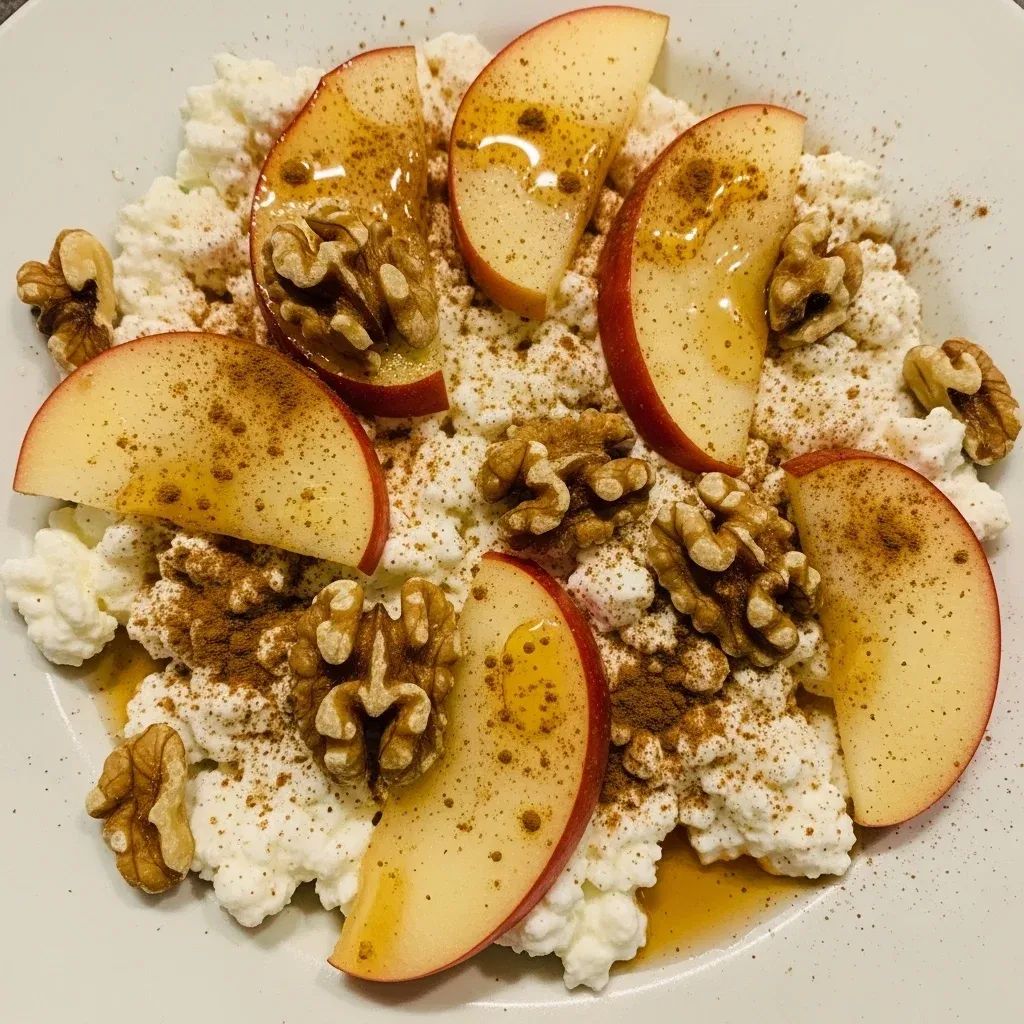
While fruit and a light salad make excellent companions for this baked dish, cottage cheese also pairs beautifully with other comforting flavors. If you’re looking for another delightful and warm combination, you might enjoy the comforting flavors of Cottage cheese apple cinnamon.
FAQs
Can I make this cottage cheese baked dish ahead of time?
Yes, you absolutely can! You can assemble the cottage cheese baked mixture the night before and store it in the fridge. Just bake it fresh in the morning. Alternatively, bake the entire cottage cheese baked casserole, let it cool, and reheat slices as needed.
Is the cottage cheese baked texture chunky?
The cottage cheese baked texture becomes much smoother in the oven. While you might see small specs of cheese, the overall consistency is similar to a dense omelet or a crustless quiche. If you prefer no chunks at all, blend the cottage cheese before starting the cottage cheese baked process.
Can I use low-fat cottage cheese?
You can certainly use low-fat cottage cheese for this cottage cheese baked recipe. It will still set well and taste delicious. However, keep in mind that full-fat cottage cheese provides a creamier and more satisfying cottage cheese baked result.
What if my cottage cheese baked dish is too watery?
If your cottage cheese baked casserole seems watery, it usually means the cottage cheese had too much whey or the vegetables released too much moisture. Next time, drain the cottage cheese and sauté your veggies before adding them to the cottage cheese baked mix.
Cottage cheese, a fresh cheese curd product, is a versatile ingredient prized for its mild flavor and creamy texture, commonly enjoyed plain or incorporated into various dishes. When baked, the curds transform, often creating a delightful, custardy texture that holds savory and sweet additions well. This adaptable dairy product is a staple in diets across the globe, offering a good source of protein and a base for countless culinary creations, as explored further in its comprehensive history and uses.
Nutrition Information (per serving)
This cottage cheese baked recipe provides a balanced profile of protein, fats, and carbohydrates. It is a nourishing choice for anyone looking to stay full and energized. Each serving of this cottage cheese baked delight is packed with calcium and essential vitamins from the eggs and spinach.
| Nutrient | Amount |
|---|---|
| Calories | 210 kcal |
| Protein | 18g |
| Total Fat | 12g |
| Saturated Fat | 6g |
| Carbohydrates | 8g |
| Fiber | 1g |
| Sugar | 2g |
| Sodium | 450mg |
I hope your family enjoys this cottage cheese baked meal as much as mine does. Remember, cooking is about more than just instructions; it is about the love you pour into the bowl. This cottage cheese baked recipe is a testament to how simple ingredients can create lasting memories. Enjoy every bite of your cottage cheese baked creation!
Printcottage cheese baked

A protein-rich cottage cheese baked casserole, perfect for a cozy breakfast, brunch, or light dinner. This versatile dish features a custard-like texture, crispy golden edges, and a tender center, easily customized with various vegetables or proteins.
- Prep Time: 15 mins
- Cook Time: 40 mins
- Total Time: 65 mins
- Yield: 7 servings
- Category: Breakfast
- Method: Baking
- Cuisine: American
- Diet: Gluten-Free
Ingredients
2 cups Cottage Cheese
4 units Large Eggs
1 cup Shredded Cheddar
1/2 cup All-Purpose Flour
1 tsp Baking Powder
1 cup Fresh Spinach
1/2 tsp Garlic Powder
To taste Salt
To taste Pepper
1 tbsp Butter
Instructions
- Preheat oven to 375°F (190°C)
- Grease a 9×9 inch baking dish with butter or non-stick spray
- In a large mixing bowl, whisk the 4 large eggs until frothy and well-combined
- Fold in the 2 cups of cottage cheese
- Add the 1 cup shredded cheddar and 1 cup finely chopped fresh spinach to the bowl
- Sprinkle in the 1/2 cup all-purpose flour, 1 tsp baking powder, 1/2 tsp garlic powder, and salt and pepper to taste
- Stir everything gently until the mixture looks uniform
- Pour the batter into the prepared dish and smooth the top with a spatula
- Place the pan in the center of the oven and bake for 35 to 40 minutes, or until the top is golden-brown and the center is firm (edges may pull away slightly from the sides)
- Remove from oven and let the casserole rest for at least 5 to 10 minutes before slicing and serving
Notes
For gluten-free, swap all-purpose flour for a 1:1 gluten-free blend or almond flour.
Always drain any excess liquid from your cottage cheese if it looks particularly watery.
Use room temperature eggs for a lighter texture.
For a smoother consistency, pulse the cottage cheese in a blender before mixing with eggs.
Avoid over-mixing dry ingredients to keep squares tender.
For a crispier top, broil the dish for the last two minutes of cooking, watching closely to prevent burning.
Leftovers can be stored in an airtight container in the refrigerator for up to 4 days or frozen for up to 2 months.