Cottage cheese scramble

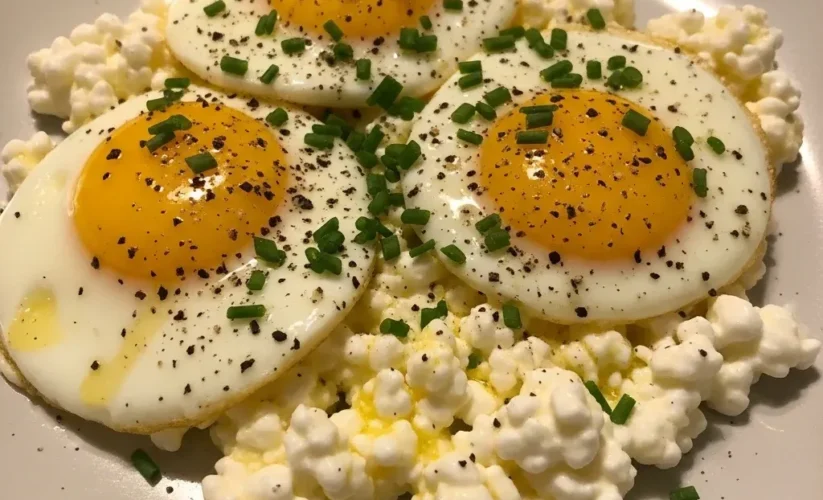
Morning in my house feels like a beautiful, chaotic whirlwind. With three kids racing to find their shoes and a husband hunting for his keys, the kitchen becomes the heart of the action. I always tell my children that food is love.
Because of this, I refuse to settle for a bland, uninspired breakfast. Years ago, I discovered a secret that transformed our morning routine: the cottage cheese scramble. At first, my oldest looked at the container of cottage cheese with a skeptical eye.
However, once he tasted that first fluffy, creamy bite, he was hooked. This dish provides the perfect balance of comfort and nutrition. It fuels my kids for their busy school days without leaving them hungry an hour later.
You will find that a cottage cheese scramble isn’t just a meal; it is a warm hug in a bowl. Whenever I make this, the kitchen fills with the savory aroma of melting butter and fresh eggs.
It reminds me that even on the busiest mornings, we can find a moment to nourish our bodies and souls together. This cottage cheese scramble has become a staple in our home, and I am so excited to share my favorite version with you today.
Why You’ll Love This Cottage Cheese Scramble
You might wonder why you should add cheese curds to your breakfast. First and foremost, the cottage cheese scramble offers an incredible protein boost. Many of us struggle to get enough protein early in the day.
By incorporating cottage cheese, you significantly increase the protein content without needing extra meat. Furthermore, the texture is absolutely divine. While regular scrambled eggs can sometimes turn out dry, the cottage cheese scramble remains moist and velvety every single time. The cheese melts into the eggs, creating small pockets of creamy goodness.
Additionally, this recipe is incredibly budget-friendly. Eggs and cottage cheese are staples in most American refrigerators. You do not need fancy or expensive ingredients to create a gourmet-style breakfast.
Parents especially love this cottage cheese scramble because it is a “hidden” way to add nutrition. Even the pickiest eaters usually enjoy the mild flavor and soft texture. Moreover, you can prepare a cottage cheese scramble in under ten minutes.
When you are rushing to get out the door, those minutes are precious. Consequently, this recipe fits perfectly into a fast-paced lifestyle while maintaining a focus on high-quality ingredients.
Finally, the versatility of the cottage cheese scramble makes it a winner. You can keep it simple with just salt and pepper. Alternatively, you can dress it up with fresh herbs, vegetables, or hot sauce.
Every time you make a cottage cheese scramble, you can create a slightly different flavor profile. This prevents breakfast boredom and keeps the family coming back for more. In my house, we call it the “magic egg dish” because of how quickly it disappears from the plates. You will truly appreciate how such a simple addition can elevate a classic breakfast staple to new heights.
Ingredients You’ll Need
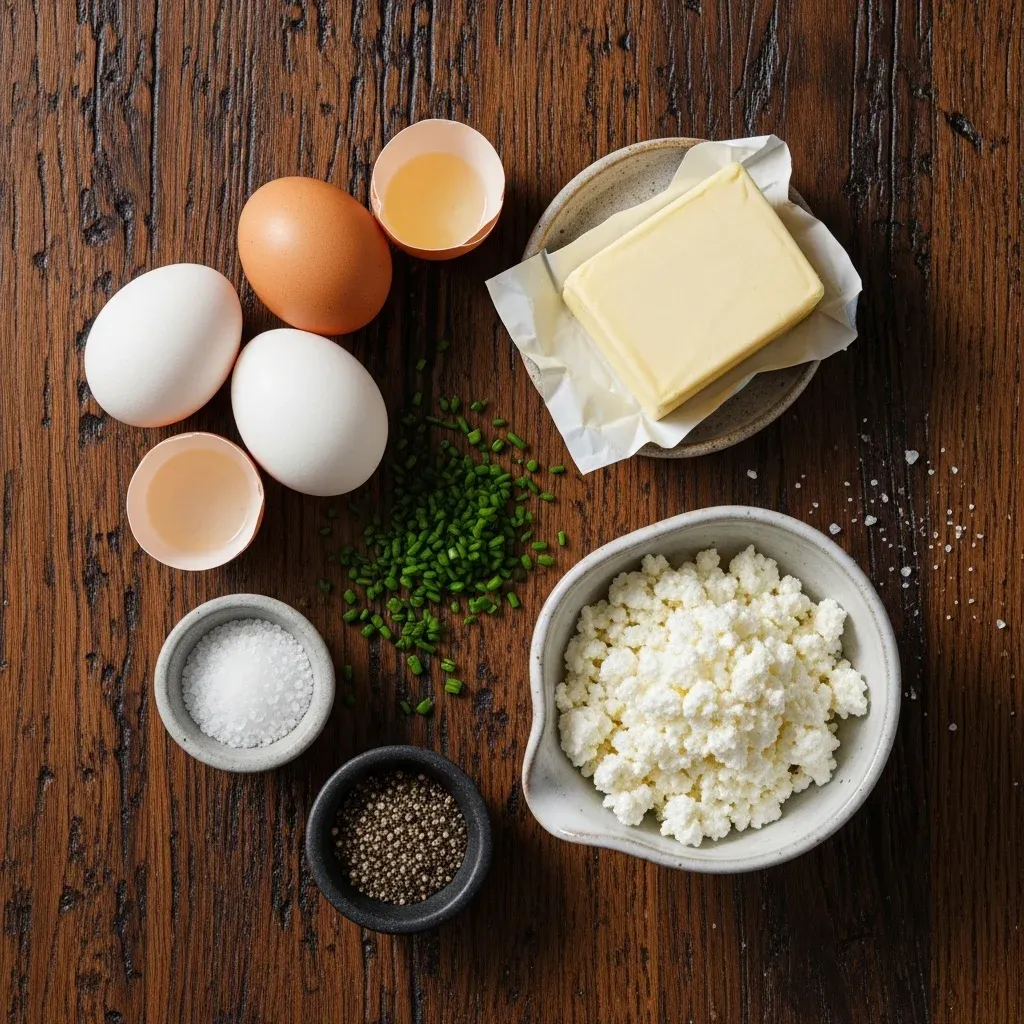
To make the perfect cottage cheese scramble, you only need a few high-quality ingredients. I always recommend using the freshest eggs you can find. Fresh eggs provide a brighter color and a richer flavor.
For the cottage cheese, I prefer the small curd variety as it blends more seamlessly into the eggs. However, large curd works well if you enjoy more distinct texture in your cottage cheese scramble. High-fat cottage cheese (4%) creates the creamiest result, but low-fat versions also work if you watch your calorie intake. Here is exactly what you will need for a standard serving.
| Ingredient | Quantity | Notes |
|---|---|---|
| Large Eggs | 4 eggs | Organic or pasture-raised preferred. |
| Cottage Cheese | 1/2 cup | Small curd, 4% milkfat is best. |
| Unsalted Butter | 1 tablespoon | For greasing the pan and adding flavor. |
| Sea Salt | 1/4 teaspoon | Adjust to your personal taste. |
| Black Pepper | To taste | Freshly cracked provides the best aroma. |
| Fresh Chives | 1 tablespoon | Finely chopped for a pop of color. |
Substitutions & Variations
One of the best things about a cottage cheese scramble is how easily you can adapt it. If you do not have butter on hand, you can easily use olive oil or avocado oil. This changes the flavor slightly but still results in a delicious cottage cheese scramble.
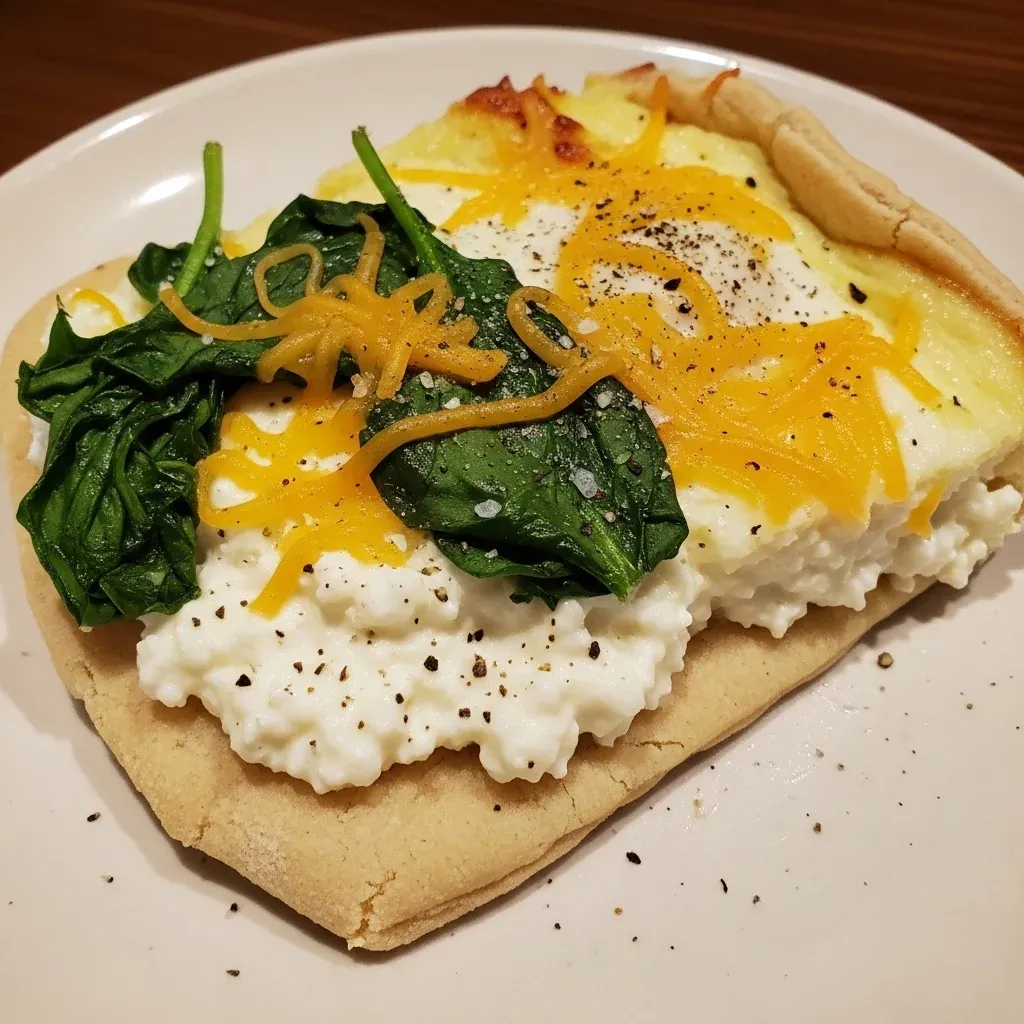
If you want to increase the fiber content, consider adding a handful of fresh baby spinach to the pan. The spinach wilts quickly and pairs beautifully with the creamy eggs. For those who enjoy a bit of heat, a teaspoon of red pepper flakes or a drizzle of sriracha transforms the cottage cheese scramble into a spicy morning treat.
Furthermore, you can experiment with different types of herbs. While I love chives, fresh dill or parsley also work wonderfully. If you are a fan of Mediterranean flavors, add some chopped sun-dried tomatoes and a sprinkle of feta cheese to your cottage cheese scramble.
For a meat-lover’s version, fold in some cooked bacon bits or crumbled breakfast sausage. Another great variation involves adding sautéed mushrooms and onions. This creates a more earthy and robust cottage cheese scramble that feels like a weekend brunch dish. Regardless of your preferences, the base of eggs and cottage cheese provides a perfect canvas for your culinary creativity.
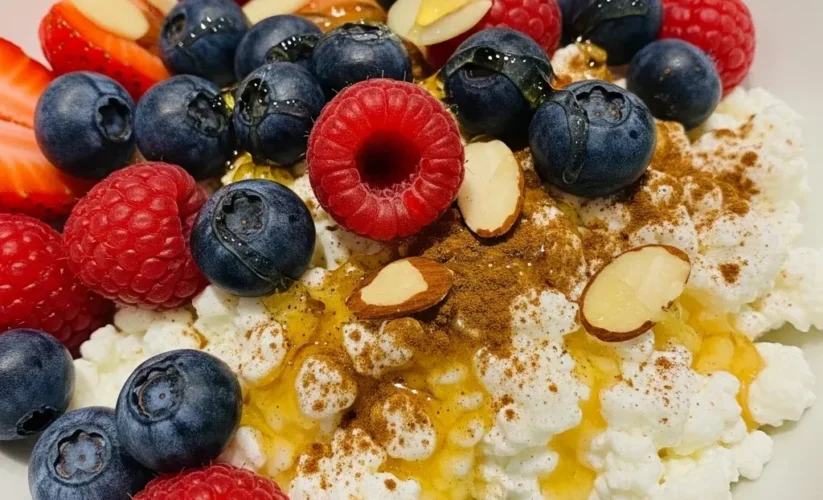
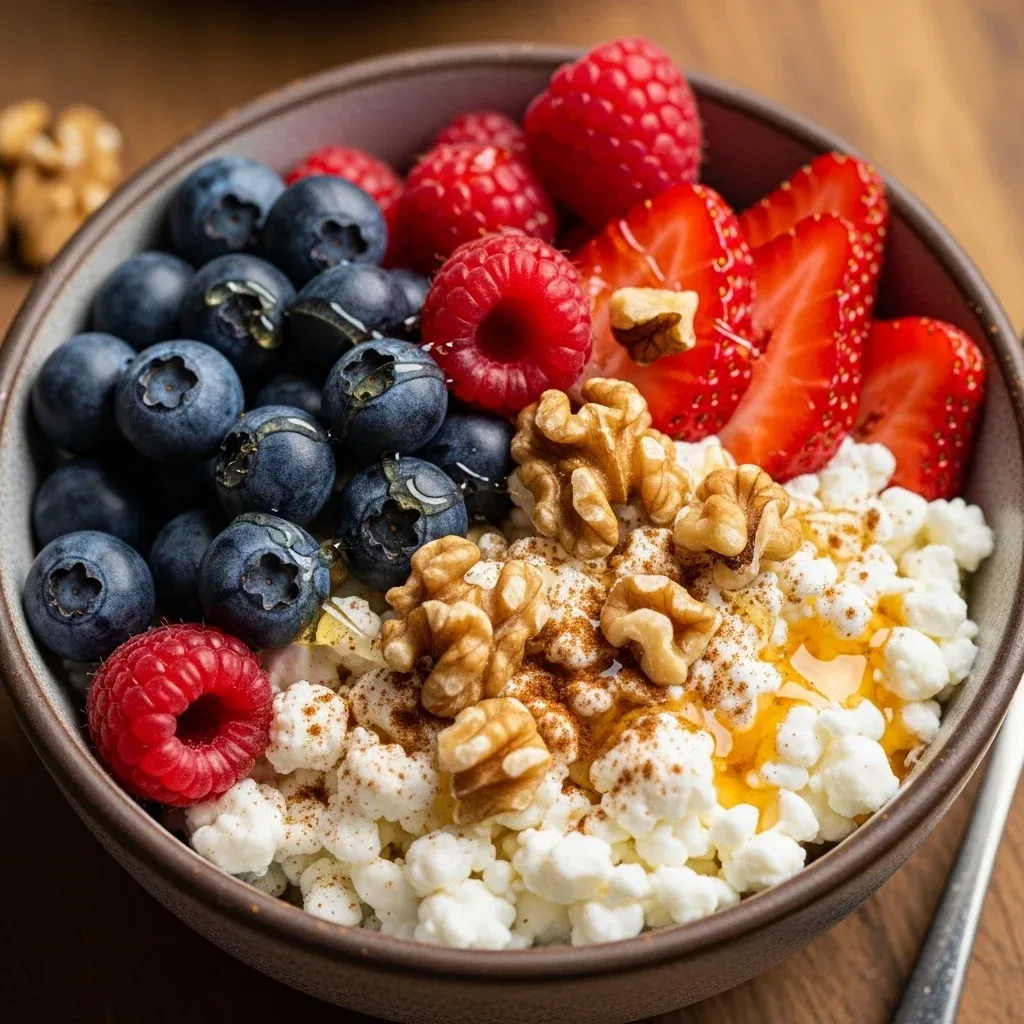
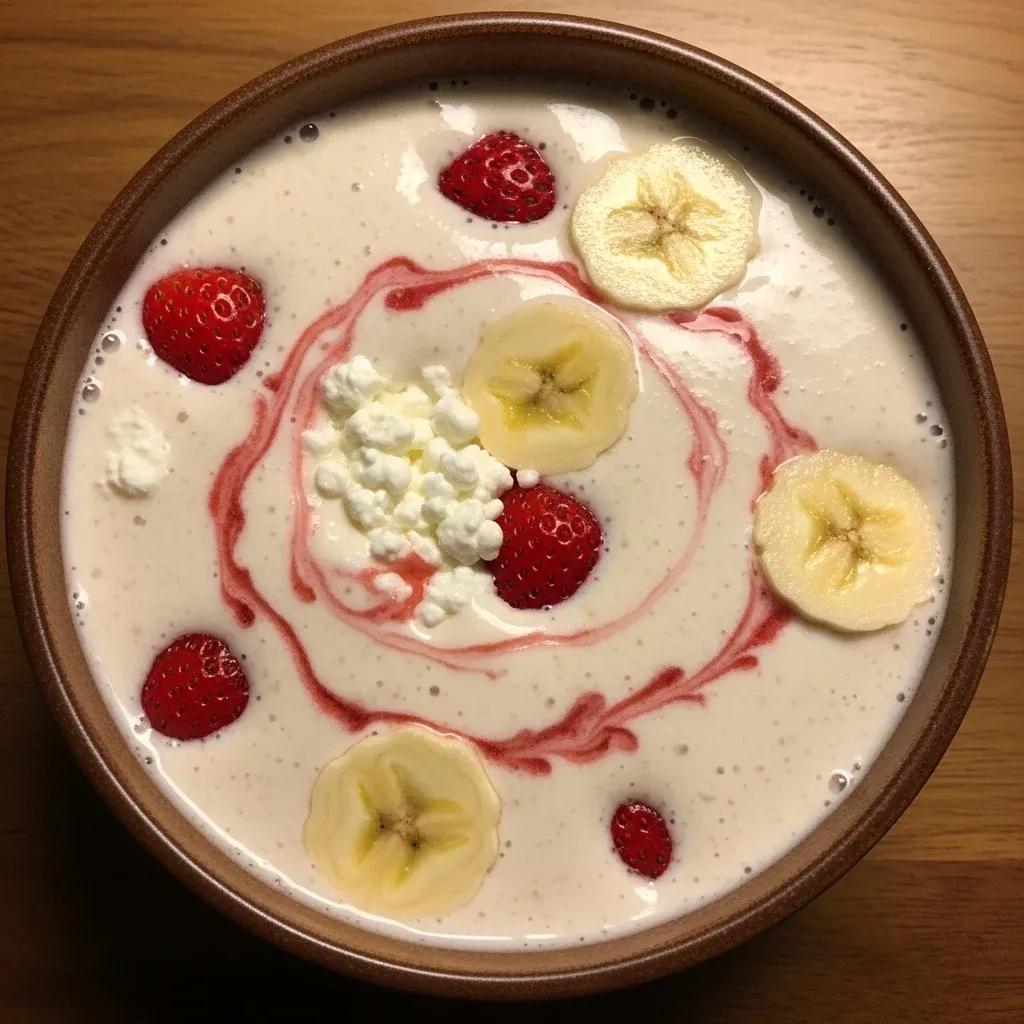
While adding spinach enhances the savory side of your scramble, cottage cheese also shines in sweeter applications. For a completely different yet equally delicious way to enjoy this versatile ingredient, consider a Cottage cheese berry bowl.
Step-by-Step Instructions
Follow these simple steps to ensure your cottage cheese scramble turns out perfectly every time. Precision and patience are the keys to avoiding rubbery eggs. You want to cook these gently to maintain the moisture provided by the cheese.
Note: This video is for demonstration purposes and may use a slightly different method.
1. Crack the eggs: Begin by cracking four large eggs into a medium-sized mixing bowl. Ensure no shells fall into the liquid. If they do, use a piece of eggshell to scoop them out easily.
2. Add the cottage cheese: Measure out half a cup of cottage cheese and add it directly to the bowl with the eggs. Do not worry about draining the liquid from the cottage cheese; that moisture helps the cottage cheese scramble stay soft.
3. Season the mixture: Sprinkle in your salt and freshly cracked black pepper. If you are using dried herbs, add them now so they can begin to hydrate.
4. Whisk thoroughly: Use a fork or a balloon whisk to combine the ingredients. You want to break up the egg yolks and incorporate the cottage cheese. The mixture for your cottage cheese scramble should look slightly lumpy but well-combined.
5. Heat the pan: Place a non-stick skillet over medium-low heat. Add the tablespoon of butter.
Wait until the butter melts and begins to foam slightly. Swirl the pan to ensure the bottom is completely coated.
6. Pour the mixture: Gently pour the egg and cheese mixture into the hot skillet. Allow it to sit undisturbed for about 30 seconds. You will see the edges start to set slowly.
7. Scramble gently: Use a silicone spatula to push the eggs from the edges toward the center. This creates large, soft curds.
Continue this slow folding motion. You are not just stirring; you are creating layers in your cottage cheese scramble.
8. Check for doneness: Remove the pan from the heat when the eggs look slightly wet. The residual heat from the pan will finish cooking the cottage cheese scramble to perfection. Overcooking will make the cottage cheese release too much water.
9. Garnish and serve: Transfer the cottage cheese scramble to a plate. Immediately sprinkle with your fresh chives or any extra herbs you enjoy. Serve while hot for the best experience.
Pro Tips for Success
To achieve the ultimate cottage cheese scramble, you should keep a few professional secrets in mind. First, always use a non-stick skillet. Because of the protein and moisture in the cottage cheese, the eggs tend to stick more than usual.
A high-quality non-stick surface ensures you can fold the cottage cheese scramble without losing half of it to the pan. Second, temperature control is vital. Never use high heat.
High heat causes the eggs to seize and the cottage cheese to separate, resulting in a watery mess. Low and slow is the golden rule for a cottage cheese scramble.
Another tip involves the whisking process. While you want to combine the ingredients, do not over-whisk the eggs until they are frothy. Too much air can actually make the cottage cheese scramble deflate once it hits the plate.
Simply whisk until the yolks and whites are just blended with the cheese. Also, consider the age of your cottage cheese. Fresher cottage cheese has a milder taste, which allows the egg flavor to shine.
If you want a more pronounced cheesy flavor, let the cottage cheese scramble sit for a minute after cooking. This allows the flavors to meld together beautifully.
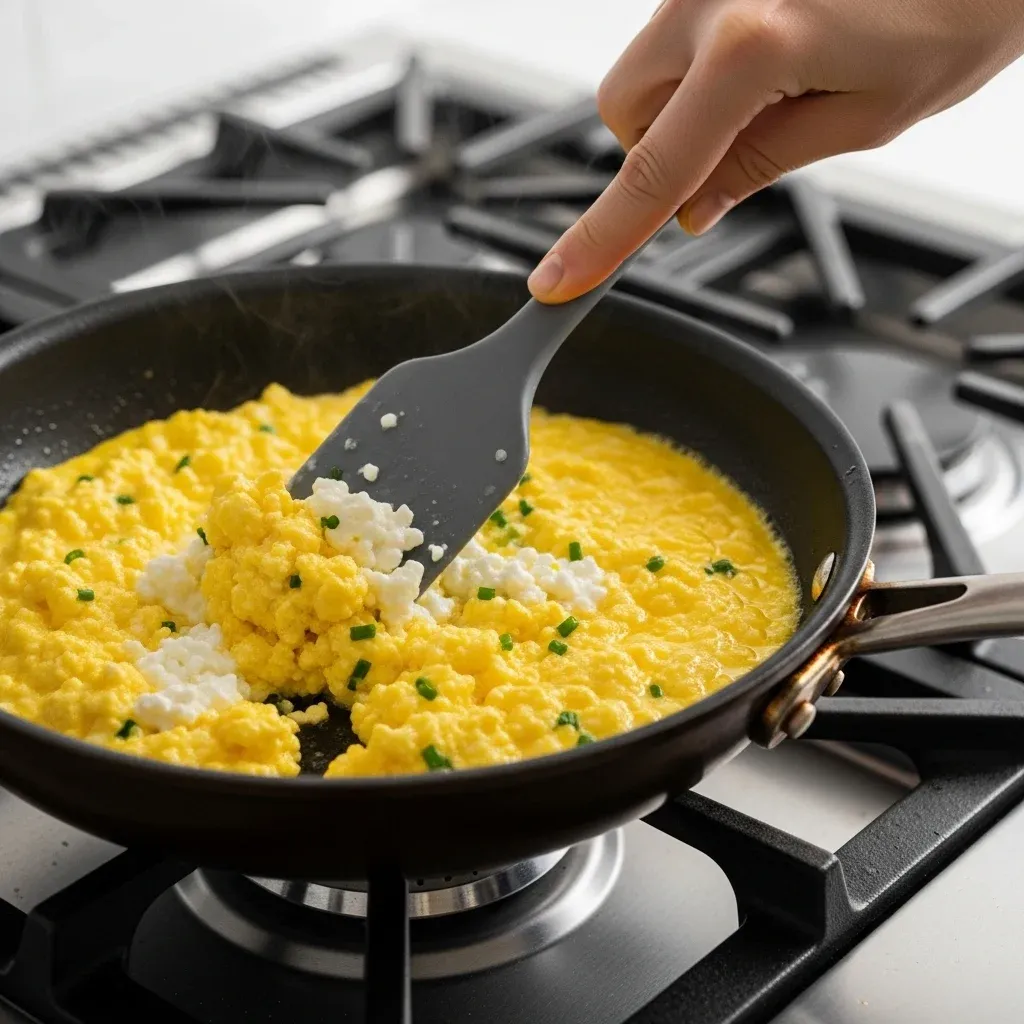
Finally, do not be afraid of the moisture. People often think the cottage cheese scramble looks “undercooked” because it stays shiny and soft. In reality, that is the desired texture.
If you cook it until it looks completely dry, you have lost the benefit of adding the cottage cheese. Trust the process and pull it off the stove early. Your taste buds will thank you when they experience the creamy, melt-in-your-mouth sensation of a perfectly executed cottage cheese scramble. Using these tips will make you a breakfast hero in no time.
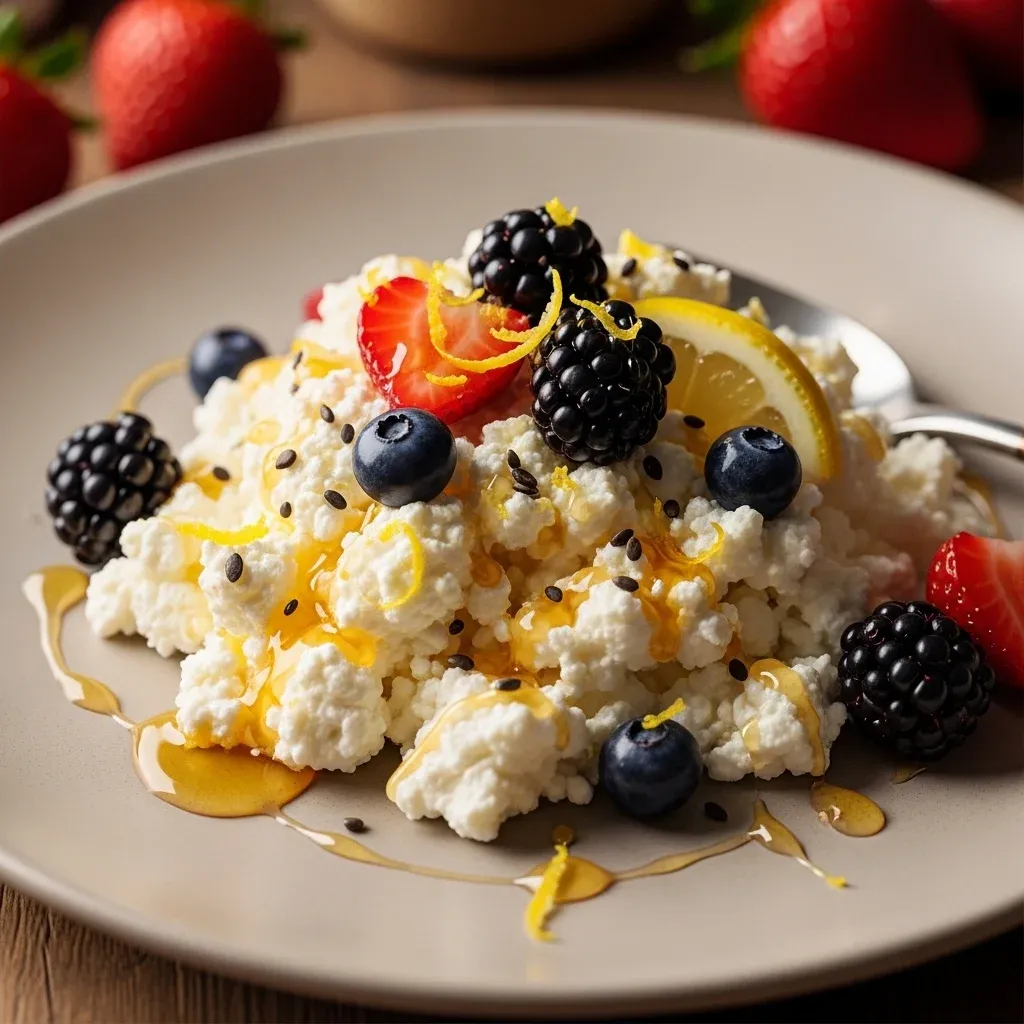
Mastering temperature control is crucial not just for your scramble, but for achieving a light and airy texture in any cottage cheese recipe. To explore more techniques for perfect consistency, discover how to make Cottage cheese fluffy.
Storage & Reheating Tips
While the cottage cheese scramble tastes best fresh from the pan, you can store leftovers if necessary. If you find yourself with extra, allow the eggs to cool completely before placing them in an airtight container. You can store the cottage cheese scramble in the refrigerator for up to three days.
I do not recommend freezing this dish, as the texture of both the eggs and the cottage cheese will change significantly upon thawing. It often becomes grainy and loses its signature creaminess.
When it comes to reheating, you must be gentle. The microwave is the fastest method, but it can easily overcook the cottage cheese scramble. To avoid this, place the eggs on a microwave-safe plate and cover them with a damp paper towel.
Heat in 20-second intervals at medium power. Stir between each interval to ensure even heating. Alternatively, you can reheat the cottage cheese scramble in a non-stick skillet over low heat.
Add a tiny splash of milk or a small pat of butter to help restore the moisture. Heat only until warm to the touch. Remember, you just want to take the chill off without further cooking the proteins.
What to Serve With This Recipe
The cottage cheese scramble is quite filling on its own, but pairing it with the right sides makes for a complete feast. In our house, we love serving this alongside thick slices of sourdough toast. The crunch of the bread provides a fantastic contrast to the soft cottage cheese scramble.
You can also serve it with a side of roasted breakfast potatoes or hash browns. For a lighter option, a fresh fruit salad with berries and melon balances the richness of the eggs perfectly. The acidity in the fruit cuts through the creaminess of the cottage cheese scramble delightfully.
If you are looking for more protein, serve a couple of strips of crispy bacon or a link of turkey sausage on the side. For those following a lower-carb lifestyle, sliced avocado or a simple side of sautéed kale pairs beautifully with the cottage cheese scramble. During the summer, I often serve this breakfast with sliced heirloom tomatoes drizzled with balsamic glaze.
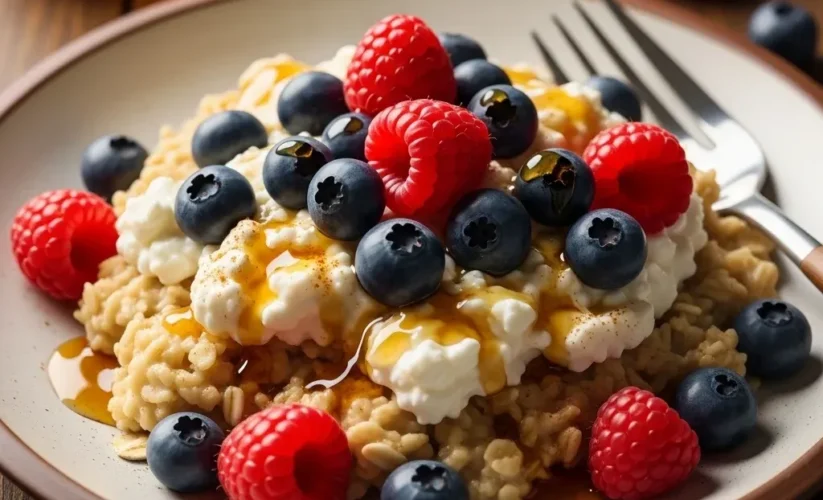
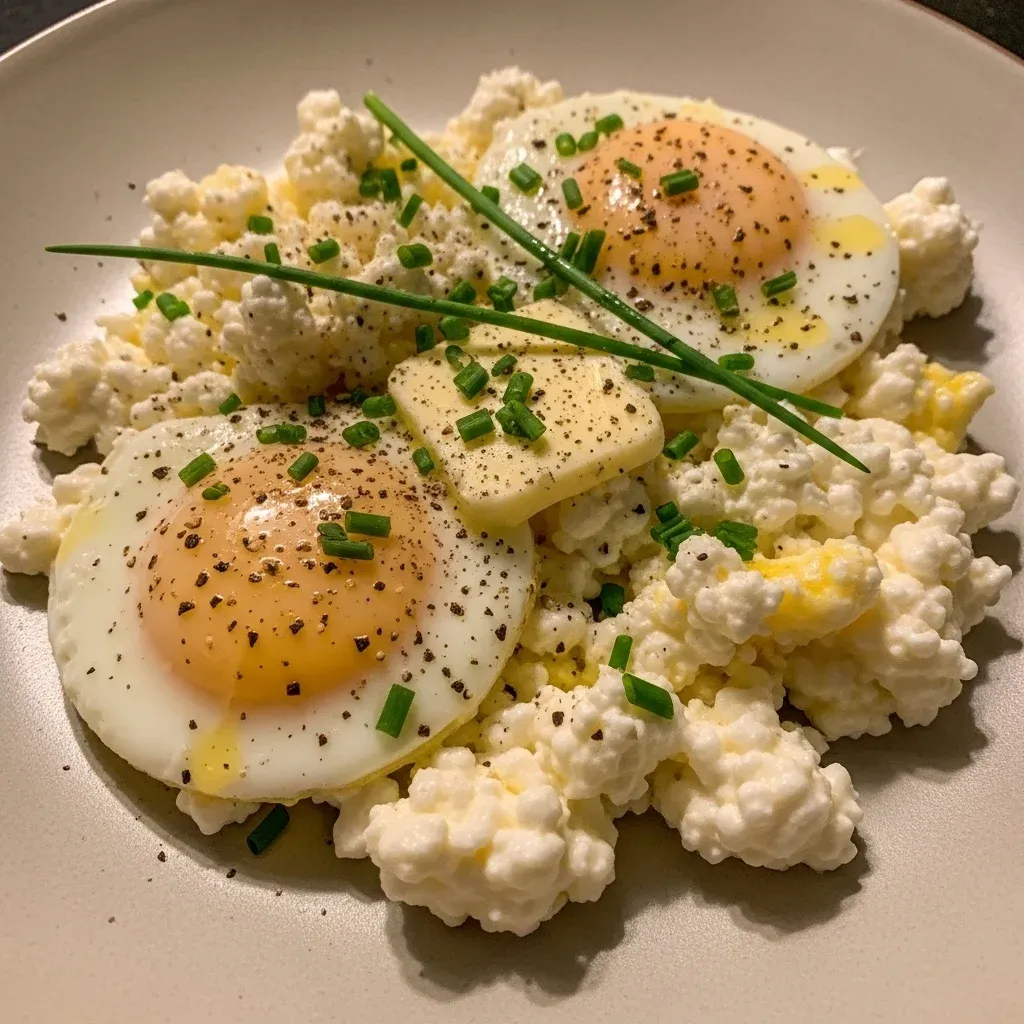
During the winter, a warm bowl of oatmeal followed by a small portion of cottage cheese scramble provides a hearty start to a cold day. No matter how you choose to plate it, this dish is the star of the show.
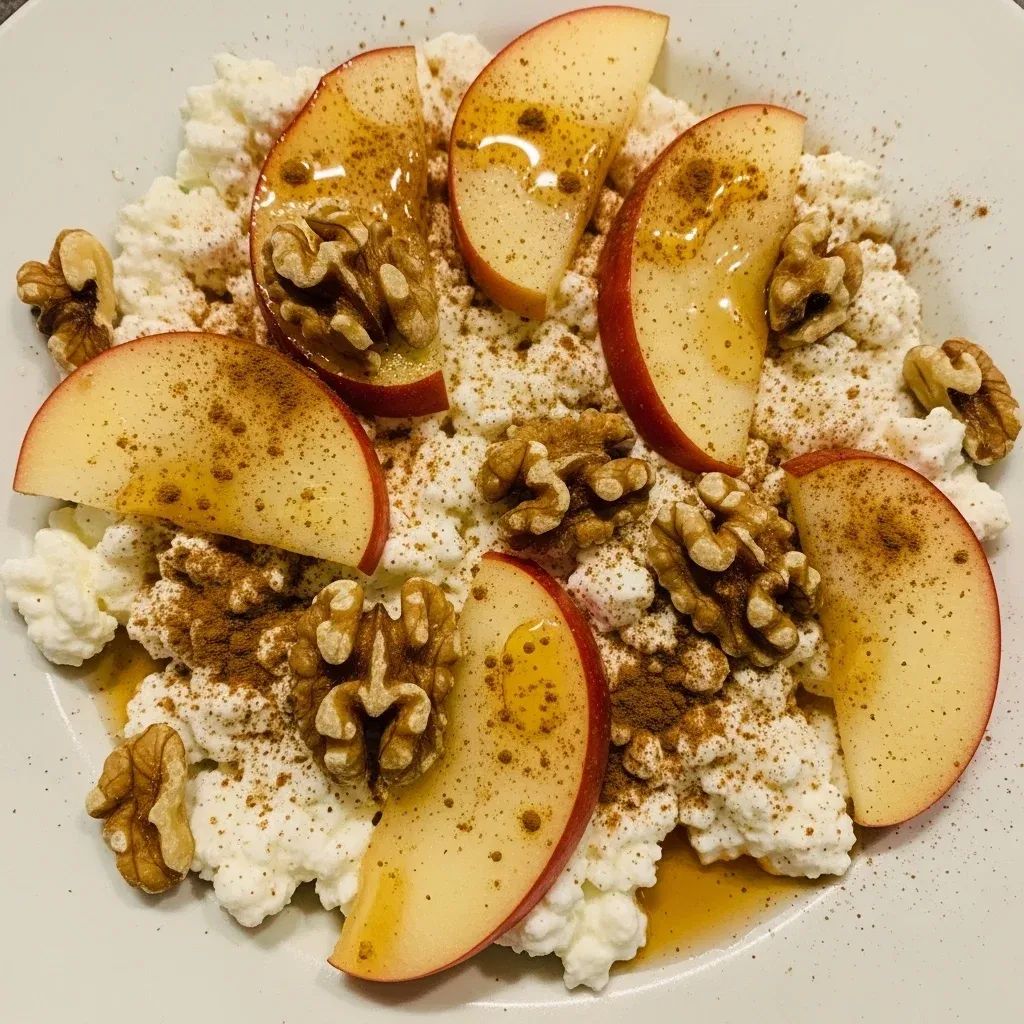
Beyond savory pairings like toast or potatoes, cottage cheese makes an excellent base for sweet and comforting dishes. If you’re looking for another delightful way to enjoy cottage cheese, especially for a lighter snack or dessert, try a Cottage cheese apple cinnamon creation.
FAQs
Is a cottage cheese scramble healthy?
Yes, it is very healthy! The cottage cheese scramble is packed with high-quality protein, essential vitamins like B12, and minerals such as calcium. It provides long-lasting energy and helps keep you full. By using cottage cheese, you reduce the need for heavy cream or excessive butter while maintaining a luxurious texture.
Why did my cottage cheese scramble turn out watery?
Wateriness usually happens for two reasons. First, you might be using high heat. High heat causes the cottage cheese to “weep” its moisture.
Second, you might be overcooking the eggs. Always cook your cottage cheese scramble on medium-low heat and remove it from the stove while it still looks slightly moist.
Can I use fat-free cottage cheese?
You can use fat-free cottage cheese in your cottage cheese scramble, but the result will be less creamy. Fat-free versions also tend to release more liquid when heated. For the best flavor and texture, I recommend using at least 2% or 4% milkfat cottage cheese.
What does a cottage cheese scramble taste like?
A cottage cheese scramble tastes very much like traditional scrambled eggs but with a much creamier, richer mouthfeel. The cottage cheese itself has a mild, slightly salty flavor that enhances the eggs without overpowering them. Most people do not even realize there is cottage cheese inside; they just think they are the best eggs they have ever eaten.
Can I make this for a large crowd?
Absolutely! You can easily double or triple the recipe. Just ensure you use a large enough skillet so the eggs aren’t too deep in the pan.
A larger surface area helps the cottage cheese scramble cook evenly. Use the same “low and slow” method for the best results with a large batch.
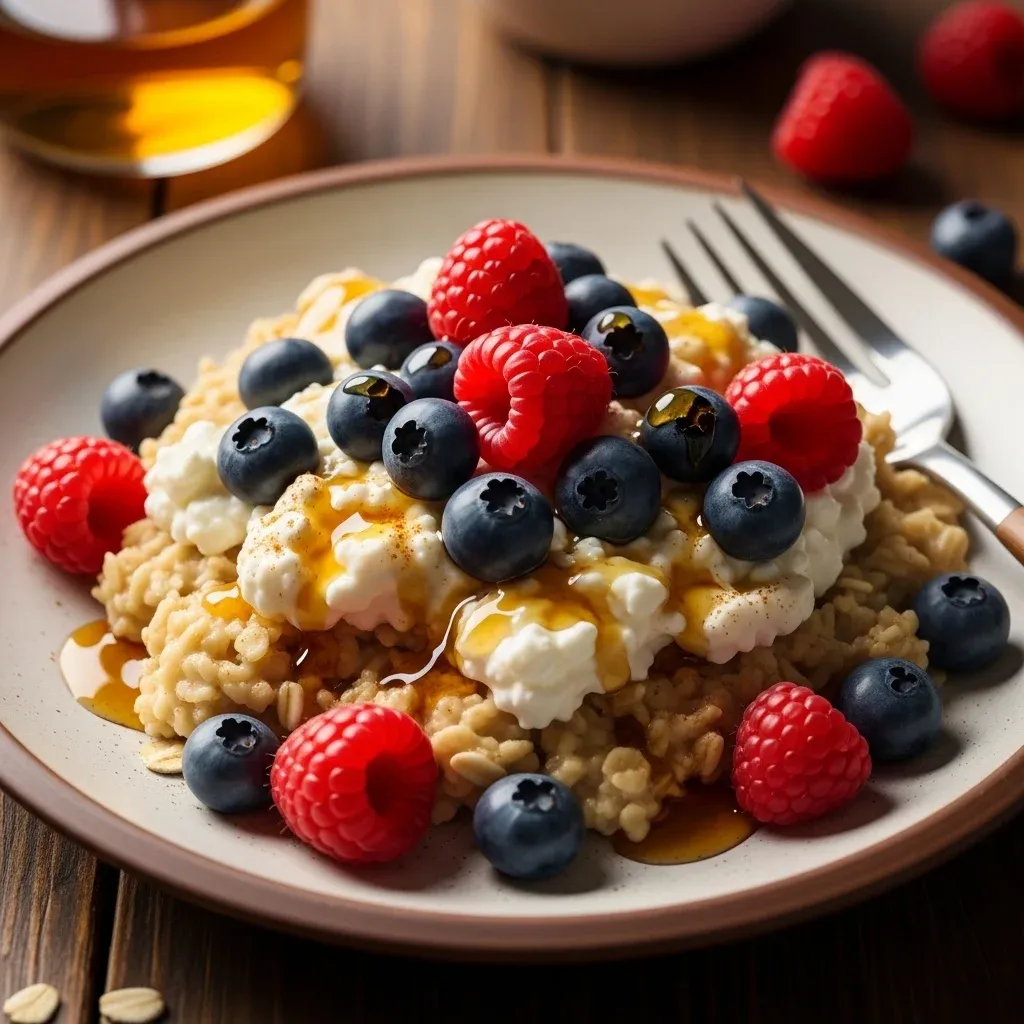
Cottage cheese, a fresh cheese curd product, has been a popular dietary staple for centuries, valued for its mild flavor and high protein content. It’s often enjoyed plain, with fruit, or as a versatile ingredient in both savory and sweet dishes, much like this delightful scramble. Learn more about the origins and production of cottage cheese.
Nutrition Information (per serving)
This nutrition information is an estimate based on using 2 large eggs and 1/4 cup of 4% cottage cheese per serving. Values may vary based on the specific brands you choose and any additional oils or butters used during the cooking process.
| Nutrient | Amount |
|---|---|
| Calories | 210 kcal |
| Total Fat | 14g |
| Saturated Fat | 7g |
| Cholesterol | 385mg |
| Sodium | 480mg |
| Total Carbohydrates | 3g |
| Protein | 18g |
| Calcium | 12% DV |
Embrace the simplicity and the love that goes into every cottage cheese scramble you prepare. Whether you are feeding a house full of energetic children or enjoying a quiet morning alone, this recipe will never let you down. It is a testament to the fact that healthy eating can be incredibly delicious.
I hope your family enjoys this cottage cheese scramble as much as mine does. Happy cooking!
Printcottage cheese scramble

This cottage cheese scramble recipe offers a creamy, protein-packed breakfast that transforms standard eggs into a moist, velvety meal. It's a quick, budget-friendly dish, ready in under ten minutes, designed to fuel busy mornings with comfort and nutrition. Versatile and delicious, it's a staple for a healthy start to the day.
- Prep Time: 3 mins
- Cook Time: 7 mins
- Total Time: 10 mins
- Yield: 2 servings
- Category: Breakfast
- Method: Scrambling
- Cuisine: American
- Diet: Gluten Free
Ingredients
4 Large Eggs
1/2 cup Cottage Cheese
1 tablespoon Unsalted Butter
1/4 teaspoon Sea Salt
To taste Black Pepper
1 tablespoon Fresh Chives
Instructions
- Crack the eggs: Begin by cracking four large eggs into a medium-sized mixing bowl. Ensure no shells fall into the liquid
- Add the cottage cheese: Measure out half a cup of cottage cheese and add it directly to the bowl with the eggs. Do not worry about draining the liquid from the cottage cheese; that moisture helps the scramble stay soft
- Season the mixture: Sprinkle in your salt and freshly cracked black pepper. If you are using dried herbs, add them now so they can begin to hydrate
- Whisk thoroughly: Use a fork or a balloon whisk to combine the ingredients. Break up the egg yolks and incorporate the cottage cheese until the mixture looks slightly lumpy but well-combined
- Heat the pan: Place a non-stick skillet over medium-low heat. Add the tablespoon of butter. Wait until the butter melts and begins to foam slightly, then swirl the pan to ensure the bottom is completely coated
- Pour the mixture: Gently pour the egg and cheese mixture into the hot skillet. Allow it to sit undisturbed for about 30 seconds until the edges start to set slowly
- Scramble gently: Use a silicone spatula to push the eggs from the edges toward the center, creating large, soft curds. Continue this slow folding motion to create layers
- Check for doneness: Remove the pan from the heat when the eggs look slightly wet. The residual heat will finish cooking the scramble to perfection. Avoid overcooking to prevent wateriness
- Garnish and serve: Transfer the cottage cheese scramble to a plate. Immediately sprinkle with your fresh chives or any extra herbs you enjoy. Serve while hot for the best experience
Notes
Use a non-stick skillet and medium-low heat to avoid watery, rubbery eggs; low and slow is the golden rule.
Do not over-whisk the eggs until frothy; simply combine yolks, whites, and cheese.
Do not be afraid of moisture; the desired texture is shiny and soft, so pull it off the stove early.
Store leftovers in an airtight container in the refrigerator for up to three days; freezing is not recommended due to texture changes.
Reheat gently in 20-second intervals in the microwave (covered with a damp paper towel) or in a non-stick skillet over low heat with a splash of milk or butter to restore moisture.