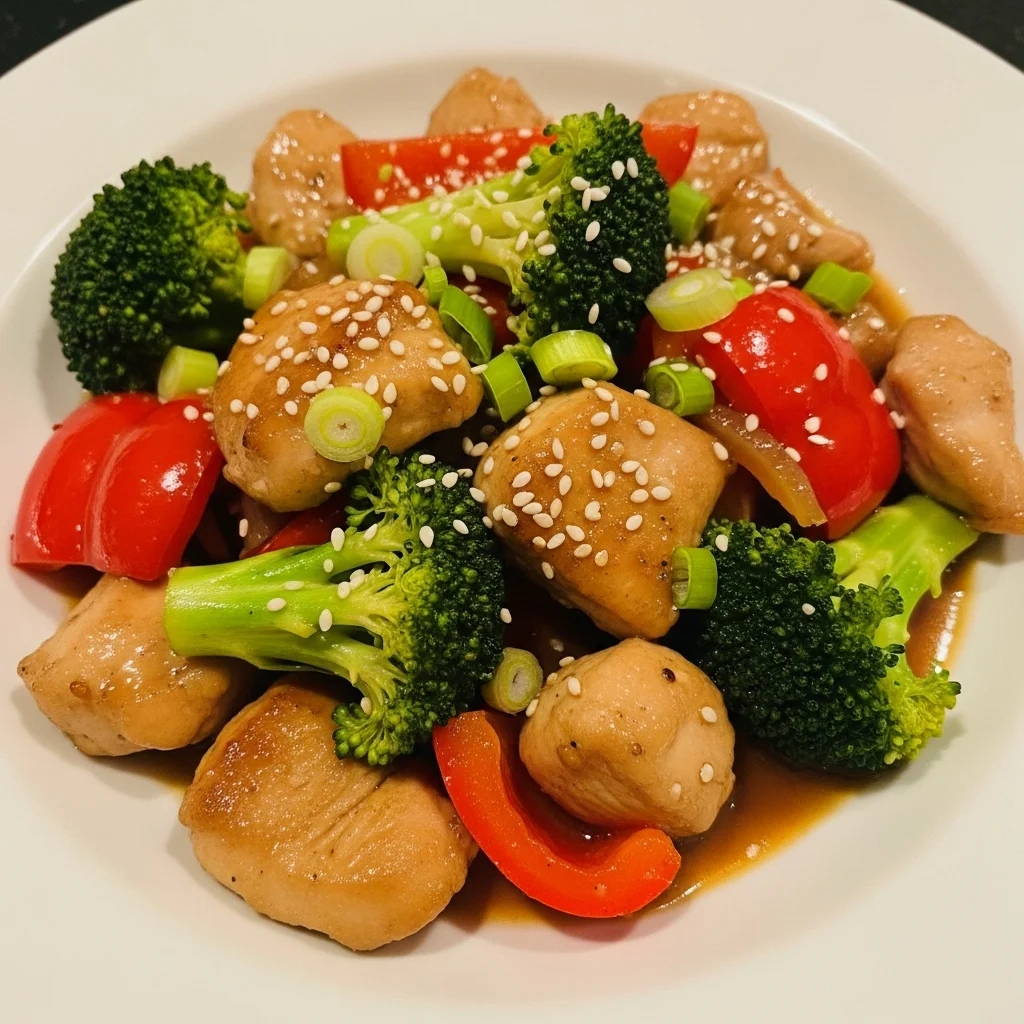

Teriyaki Chicken Bowl: Easy 45g Protein Meal Prep (No Alcohol Sauce)

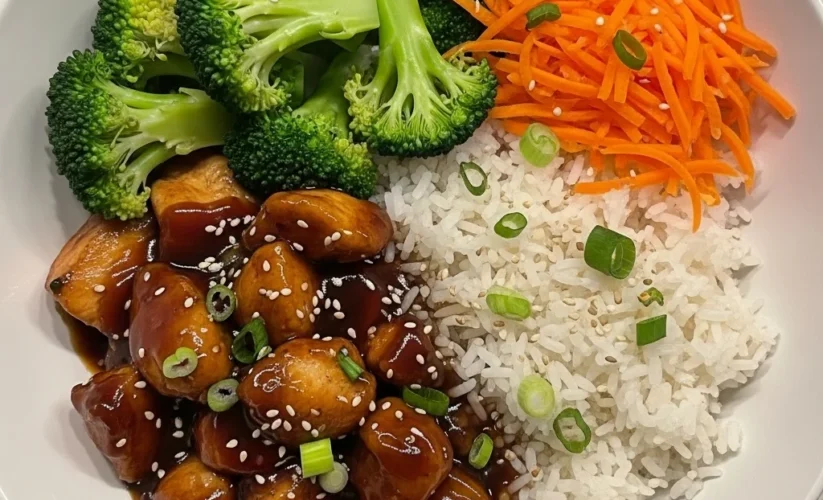
Here’s something most food blogs won’t tell you: almost every teriyaki chicken bowl recipe on the internet is not halal. Traditional teriyaki sauce is built on mirin and sake — two rice wines — and even most store-bought bottles list “wine” or “sake” somewhere in the fine print. I found this out the hard way, standing in a grocery aisle reading the back of my fourth bottle, calculator app open, realizing that on top of the alcohol problem, the leading brand packed 8 grams of sugar into every two-tablespoon serving. For a sauce I’d want to use generously, that’s 20+ grams of sugar per bowl before I’ve eaten a single gram of protein.
So I did what any macro-obsessed meal prepper does: I reverse-engineered it. This teriyaki chicken bowl uses a five-minute homemade sauce with zero alcohol, about a third of the sugar, and it clocks in at 45 grams of protein for roughly 520 calories. I’ve prepped it every other week for six months, and it’s the recipe my gym friends ask about most — usually right after asking why my lunch smells better than theirs.
Why This Recipe Works for Fitness Goals
Three reasons this bowl earns a permanent spot in a training week:
The protein-to-calorie ratio is elite. Chicken thighs are the classic teriyaki choice, but I use breast here — the sauce brings so much moisture and glaze that you genuinely don’t miss the extra fat. That swap alone saves about 90 calories per serving and pushes protein higher.
The carbs are working carbs. A cup of rice under a glazed chicken isn’t a cheat — it’s glycogen for your next session. This is the bowl I eat 2–3 hours before evening training, and the difference versus a low-carb lunch is obvious by the third set.
It reheats better than it eats fresh. I’m serious. The sauce soaks into the rice overnight, and day-two teriyaki chicken bowl is arguably the best meal in my entire prep rotation. Very few high-protein recipes improve in the fridge; this one does.
If you prefer your chicken with heat instead of glaze, my Buffalo Chicken Bowl follows the same rice-and-protein formula with a completely different flavor direction — I alternate the two so neither gets boring.
Ingredients
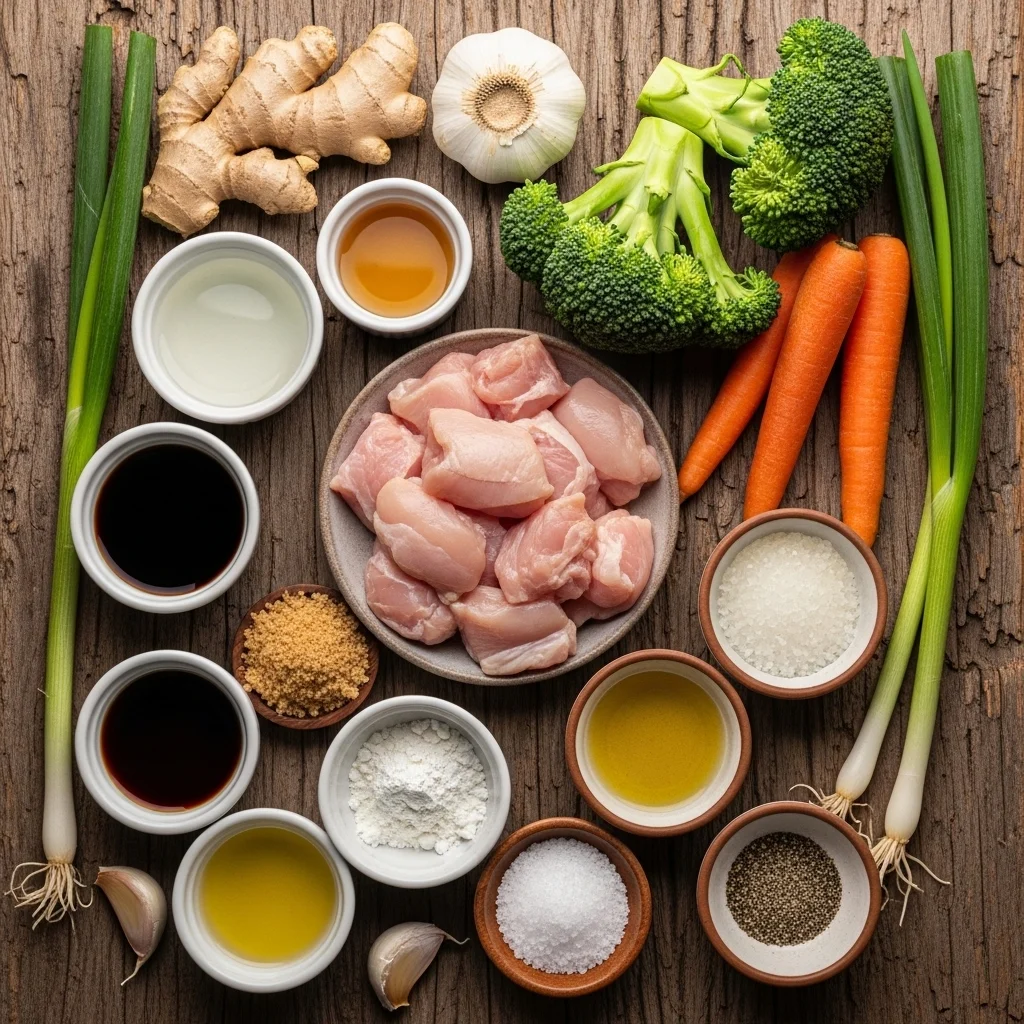
For the chicken (2 servings):
- 14 oz (400g) halal chicken breast, cut into 1-inch pieces
- 1/2 tsp salt
- 1/4 tsp black pepper
- 1 tbsp cornstarch
- 1 tbsp avocado oil (or any neutral oil)
For the halal teriyaki sauce (no mirin, no sake):
- 1/4 cup low-sodium soy sauce (check the label — some soy sauces list alcohol; Kikkoman regular contains it, so look for an alcohol-free or halal-certified brand)
- 3 tbsp water
- 1.5 tbsp honey
- 1 tbsp rice vinegar (vinegar, not rice wine — vinegar is fine)
- 2 cloves garlic, minced
- 1 tsp fresh ginger, grated
- 1 tsp cornstarch mixed with 1 tbsp cold water (slurry)
- 1/2 tsp toasted sesame oil (added at the end)
For the bowls:
- 1.5 cups cooked brown rice (or white rice — see macros section)
- 2 cups broccoli florets, steamed
- 1 medium carrot, ribboned or shredded
- 1 tsp sesame seeds
- 2 green onions, sliced
What I Learned The Hard Way
1. I skipped the cornstarch toss on the chicken. For weeks I wondered why restaurant teriyaki chicken had that glossy, velvety surface and mine looked boiled. The answer is a light cornstarch coating before searing — it crisps the outside and gives the sauce something to cling to. One tablespoon, huge difference.
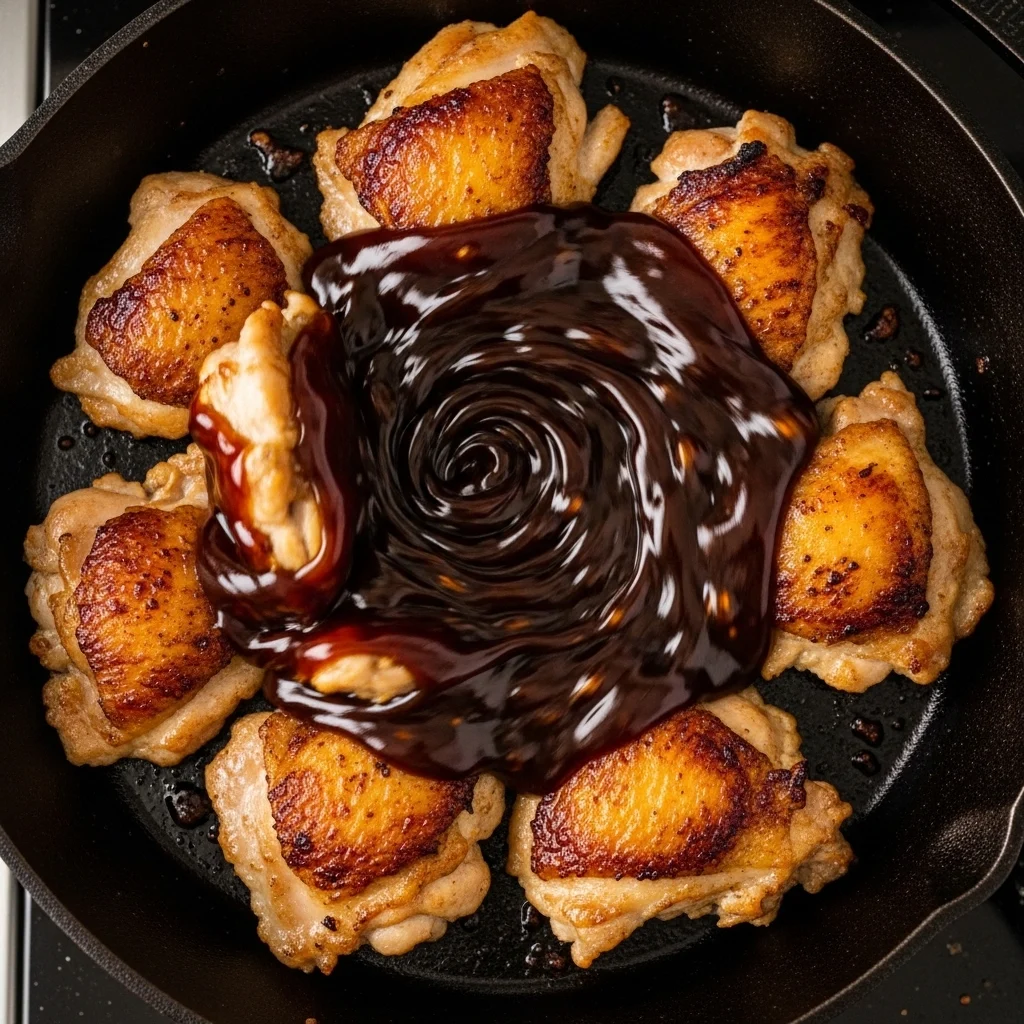
2. I reduced the sauce with the chicken in the pan from the start. Result: rubbery chicken swimming in thin sauce. The right order is sear the chicken fully first, remove it, build and thicken the sauce in the same pan, then return the chicken for the final 60 seconds of glazing. The chicken stays juicy and the sauce actually coats.
3. I trusted “teriyaki-style” labels. “Style” is doing a lot of work on those bottles. Two brands I checked contained wine despite the halal-sounding marketing. Now the sauce takes me five minutes from pantry staples and I know exactly what’s in it — including the sugar count.
How to Make a Teriyaki Chicken Bowl
Step 1 — Prep the chicken. Pat the pieces dry (wet chicken steams instead of searing), season with salt and pepper, then toss with cornstarch until lightly coated.
Step 2 — Sear. Heat oil in a large skillet over medium-high. Add chicken in a single layer — don’t crowd, work in two batches if needed — and cook 3–4 minutes per side until golden and cooked through (165°F / 74°C internal). Remove to a plate.
Step 3 — Build the sauce. In the same pan over medium heat, add soy sauce, water, honey, rice vinegar, garlic, and ginger. Simmer 2 minutes, then stir in the cornstarch slurry. It will thicken in about 60 seconds — you want it to coat the back of a spoon, not turn to glue. Kill the heat and stir in the sesame oil.
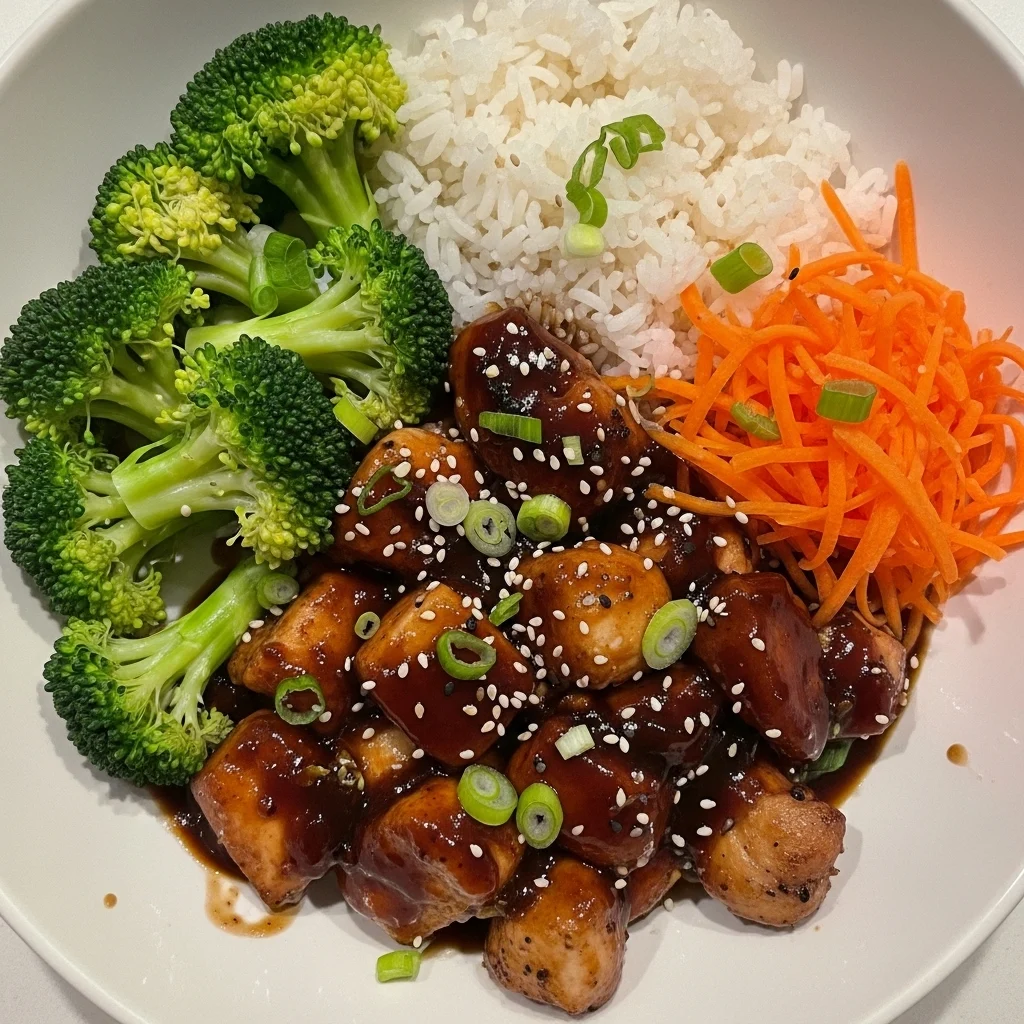
Step 4 — Glaze and assemble. Return the chicken to the pan and toss 30–60 seconds until every piece is lacquered. Build each bowl: rice, steamed broccoli, carrot ribbons, glazed chicken, then sesame seeds and green onions on top.
Total time: about 30 minutes, including the rice if you use a rice cooker in parallel.
Macros: Cutting vs. Bulking
Per serving as written (with 3/4 cup brown rice):
- Calories: ~520
- Protein: 45g
- Carbs: 55g
- Fat: 11g
Cutting version (~420 calories, 44g protein): Drop the rice to 1/2 cup and double the broccoli. The sauce is where the flavor lives, so you won’t feel the deficit. You can also cut the honey to 1 tbsp — the glaze is slightly less glossy but still very good.
Bulking version (~700 calories, 50g protein): Go to 1.25 cups of rice, add 2 oz more chicken, and drizzle 1/2 tbsp of sesame oil over the finished bowl. On heavy leg days I also add half an avocado — it doesn’t belong in any traditional teriyaki, and I don’t care.
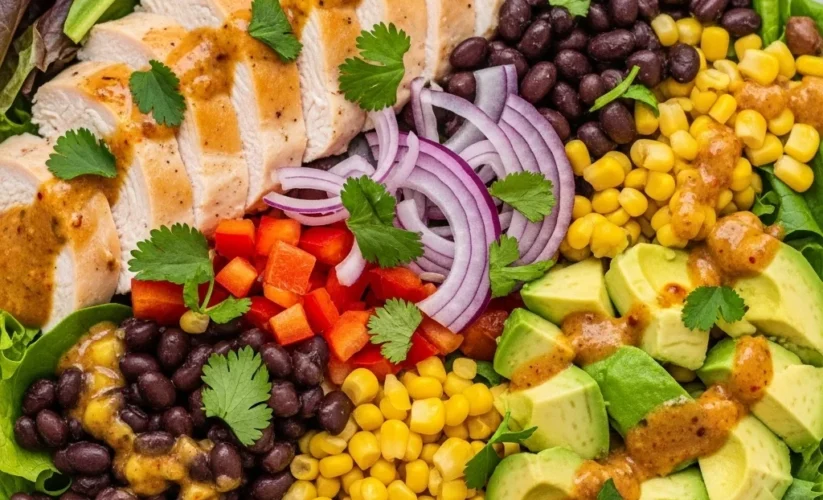
If you’re building a full week of prep, I pair this with my Southwest Chicken Salad — one glazed-and-warm, one fresh-and-cold, so lunch never feels repetitive.
Meal Prep & Storage
Freezer: The chicken and sauce freeze well for up to 2 months. The broccoli doesn’t — add fresh-steamed broccoli after thawing, or accept mushy florets (I don’t recommend accepting them).
Fridge: Assembled bowls keep 4 days in airtight containers. Keep the sesame seeds and green onions in a small bag on top and add after reheating.
Sauce: Make a double or triple batch — it keeps 10 days refrigerated in a jar and turns any plain chicken-and-rice into a meal in 90 seconds.
Reheating: Microwave 90 seconds with a tablespoon of water sprinkled over the rice. The steam revives everything.
One Tip Nobody Mentions
Double the sauce recipe and reserve half before it ever touches the pan with the chicken. Here’s why: the sauce that glazes the chicken gets absorbed and disappears by day three of meal prep. That reserved, untouched half becomes your “refresh drizzle” — a spoonful over the reheated bowl brings it back to day-one flavor instantly. Every teriyaki chicken bowl recipe tells you to make the sauce; none of them tell you the glaze fades in the fridge and you need a reserve. This is the tip that made my day-four bowls taste like day one.
FAQ
Is teriyaki sauce halal? Traditional teriyaki is not — it contains mirin (sweet rice wine) and often sake. Most store-bought versions have the same problem, sometimes hidden as “wine” or “alcohol” in the ingredients. The homemade sauce in this recipe replaces the wine with rice vinegar and water and loses nothing important. Also check your soy sauce: naturally brewed soy sauces contain trace alcohol from fermentation, so choose an alcohol-free or halal-certified brand if you’re strict.
Can I use chicken thighs instead? Yes — thighs are more forgiving and add flavor, but they’ll add roughly 8–10g of fat per serving. On a cut, I stay with breast; on maintenance or a bulk, thighs are a legitimate upgrade. Adjust cooking time up by 1–2 minutes per side.
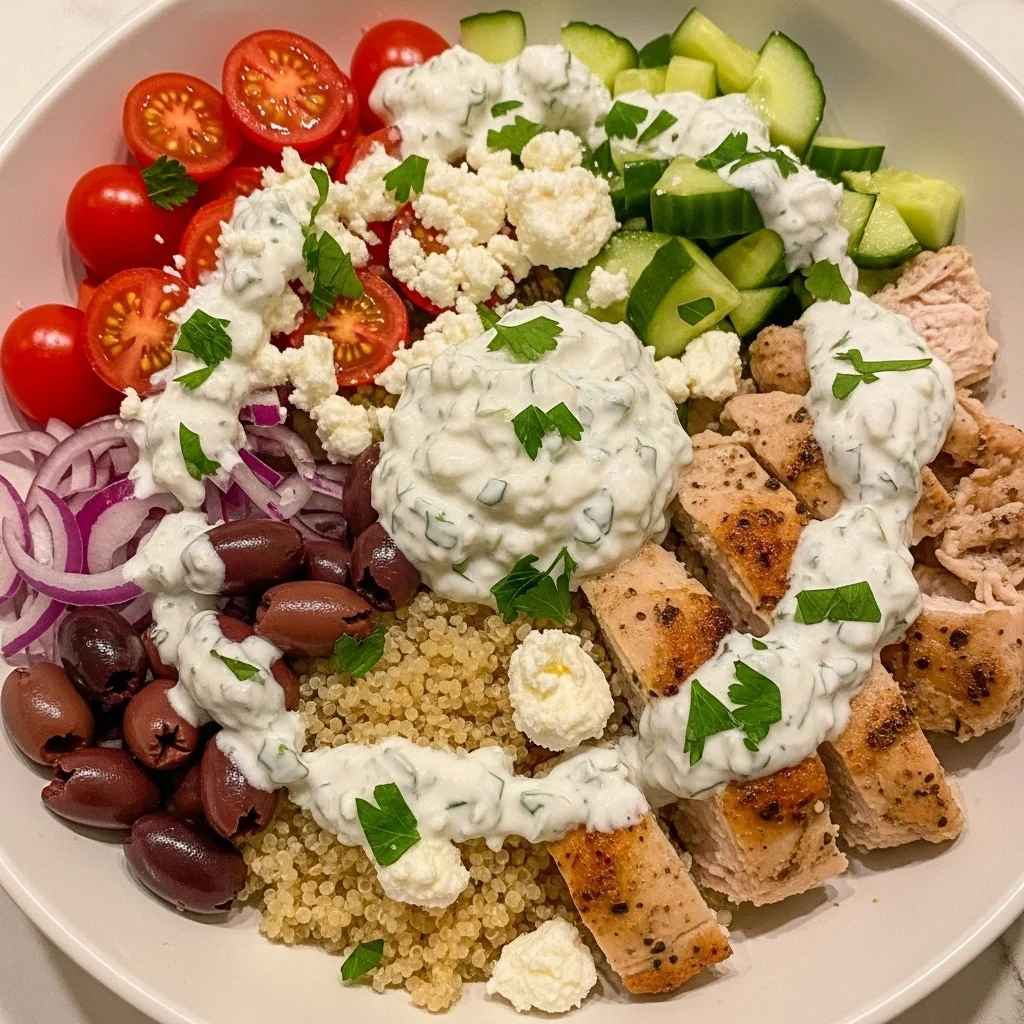
How do I get more protein into this bowl? Add a 7-minute jammy egg on top (+6g protein), or stir 2 tbsp of edamame into the rice (+4g). Both fit the flavor profile. I’d avoid adding cottage cheese here — it works in my Greek Chicken Bowl, but it fights with teriyaki flavors.
Can I make this with frozen broccoli? Absolutely, and for meal prep it’s arguably better — steam it straight from frozen for 4 minutes and it holds its texture in the fridge slightly better than fresh. Just drain it well; watery broccoli dilutes the sauce.
White rice or brown rice? Whichever you’ll actually eat consistently. Brown adds fiber and a nutty chew; white reheats softer and spikes energy faster around workouts. The macro difference per serving is smaller than most people think.
A Quick Note on the Rice
If you’ve been avoiding rice because of carb fear, reconsider — especially around training. According to Healthline’s review of brown rice, it delivers fiber, magnesium, and steady-release energy that white rice partially lacks — which is exactly the fuel profile you want under 45 grams of protein before a session.
Nutrition (Per Serving, As Written)
| Nutrient | Amount |
|---|---|
| Calories | 520 |
| Protein | 45g |
| Carbohydrates | 55g |
| Fiber | 6g |
| Fat | 11g |
| Saturated Fat | 2g |
| Sodium | 890mg |
Values are estimates from standard ingredient databases. Sodium varies significantly by soy sauce brand — low-sodium versions cut it by roughly 300mg per serving.